Asphalt Paving
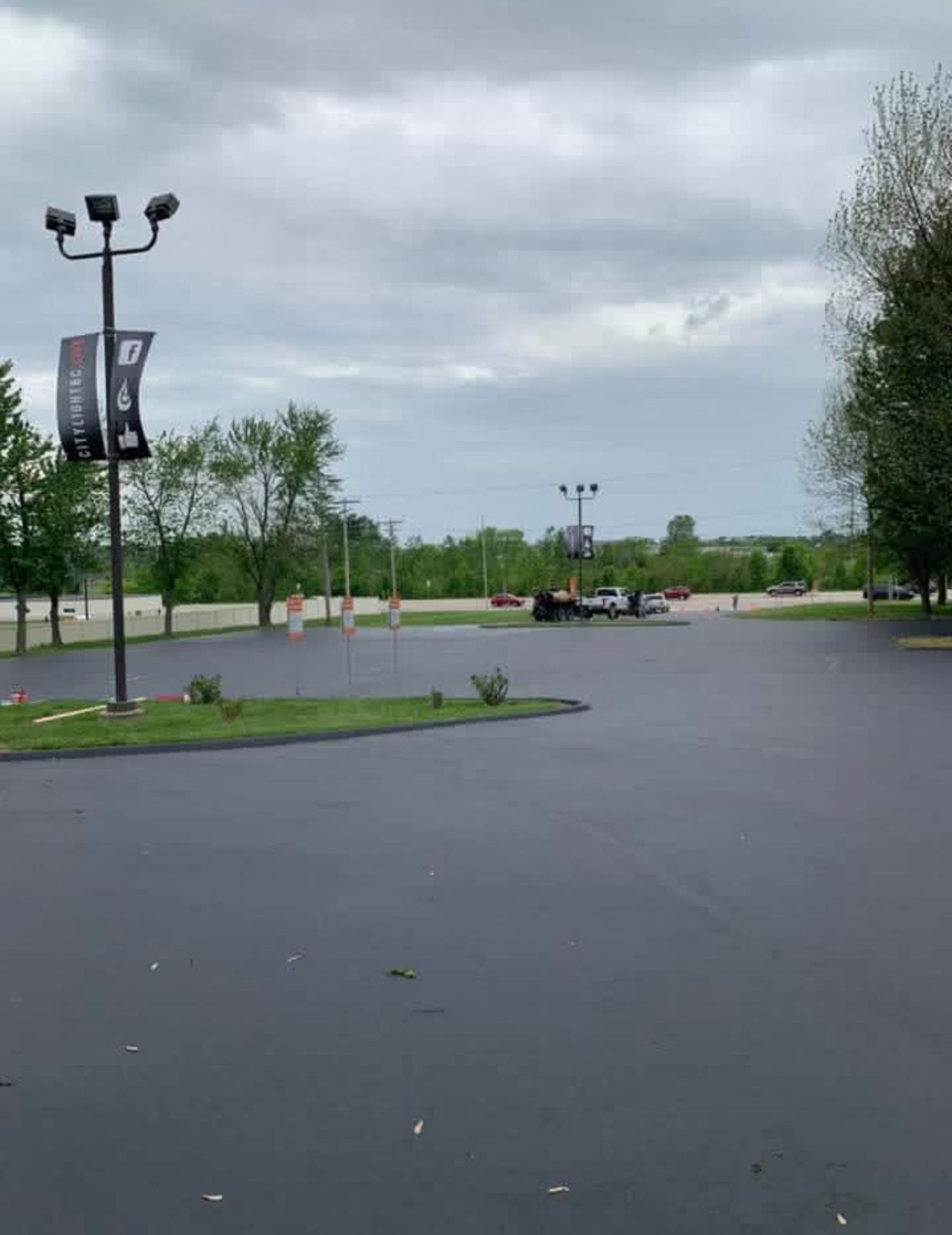
New asphalt surfaces and full replacement paving for residential driveways and commercial parking lots, built on properly graded and compacted base.
Asphalt Paving details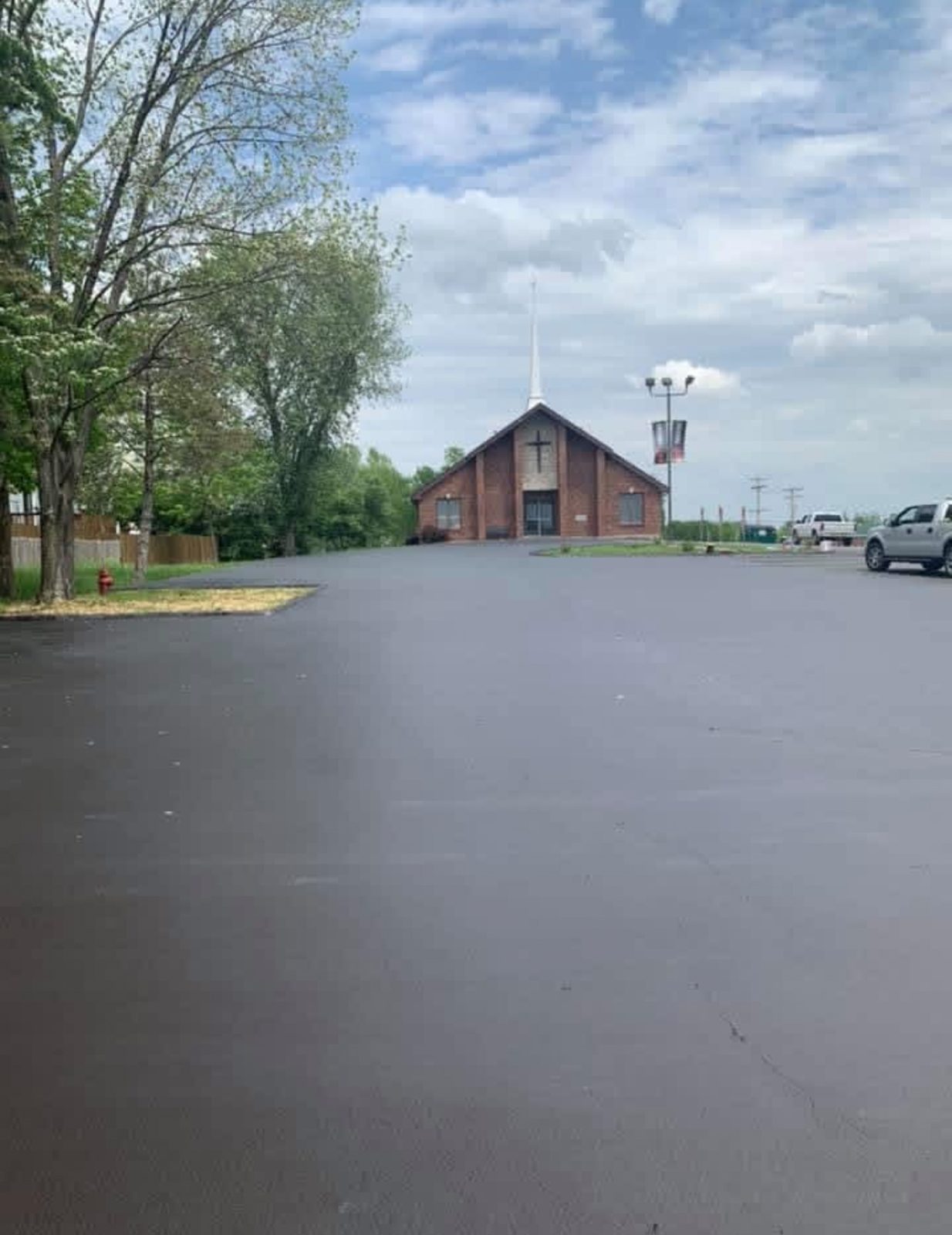
Sealcoating in Hannibal, MO and Quincy, IL
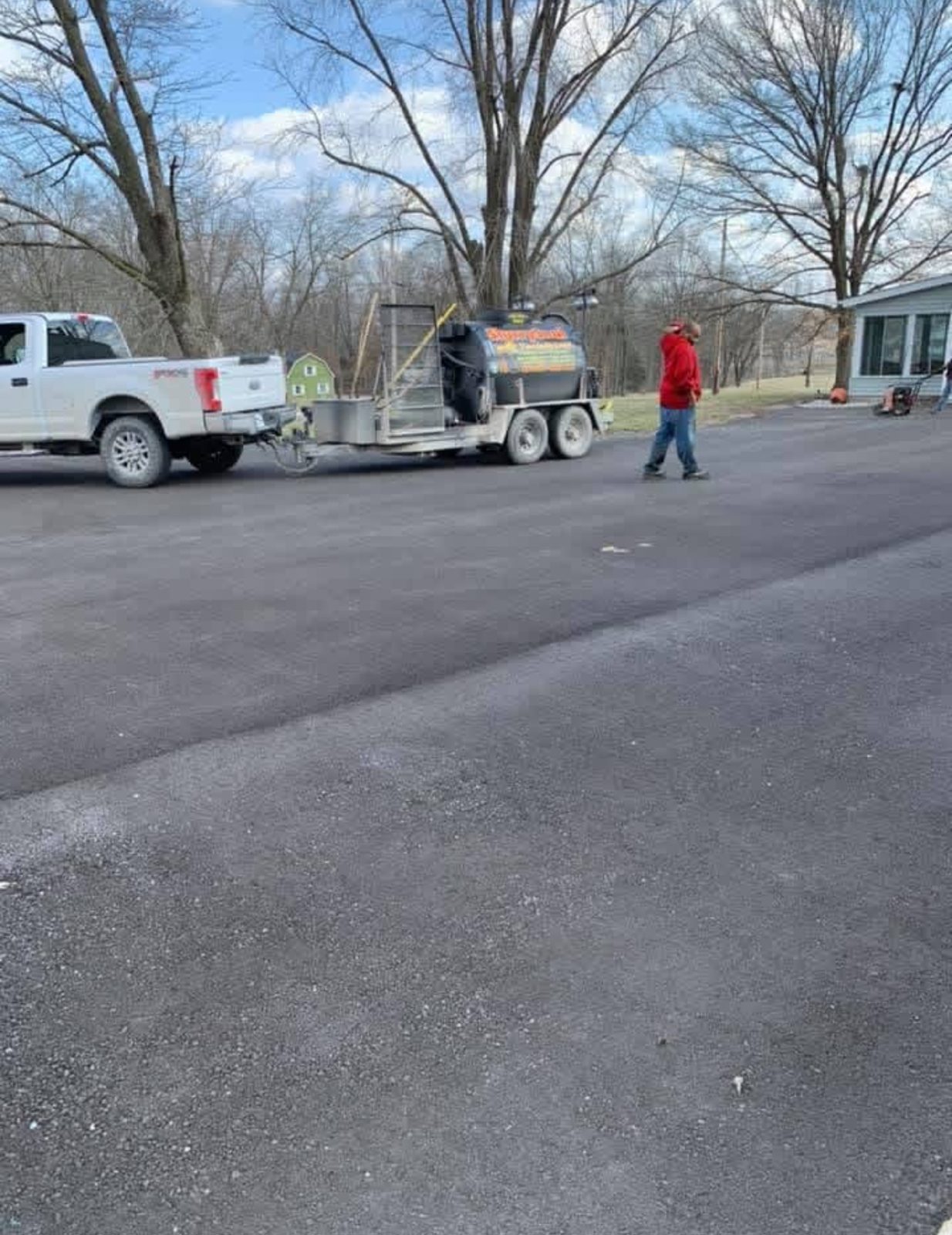
Sealcoating is the cheapest thing you will ever do for an asphalt surface, as long as you do it before the surface starts failing. We prep, treat cracks, then coat.
What sealcoating is
Asphalt is held together by a binder that sun, water, oxygen, and vehicle fluids slowly break down. As that binder goes, the surface turns grey, dries out, and starts shedding aggregate. Sealcoating puts a sacrificial layer on top so that weathering works on the coating instead of the pavement.
It is worth being clear about what it does not do. Sealcoating is not structural. It does not bridge cracks, rebuild edges, or fix a base problem. Applied over a failing surface it just makes the failure look tidier for a few months.
That is why crack filling and sealcoating belong together. Cracks get treated first so water has no easy path into the base, then the coating goes over a surface that is actually sound.
Preparation
Benefits and limits
Timing
Sealcoating depends on temperature, moisture, and how much sun the surface gets. Cool, damp, or shaded conditions slow curing, and rain during the cure window can ruin an otherwise good application. We schedule around the conditions rather than a calendar date, and we will move a job rather than put coating down in weather that works against it.
For commercial lots, we plan the sequence and the closure window with you first so the property stays usable. Striping, when it is part of the job, goes on after the coating has cured.
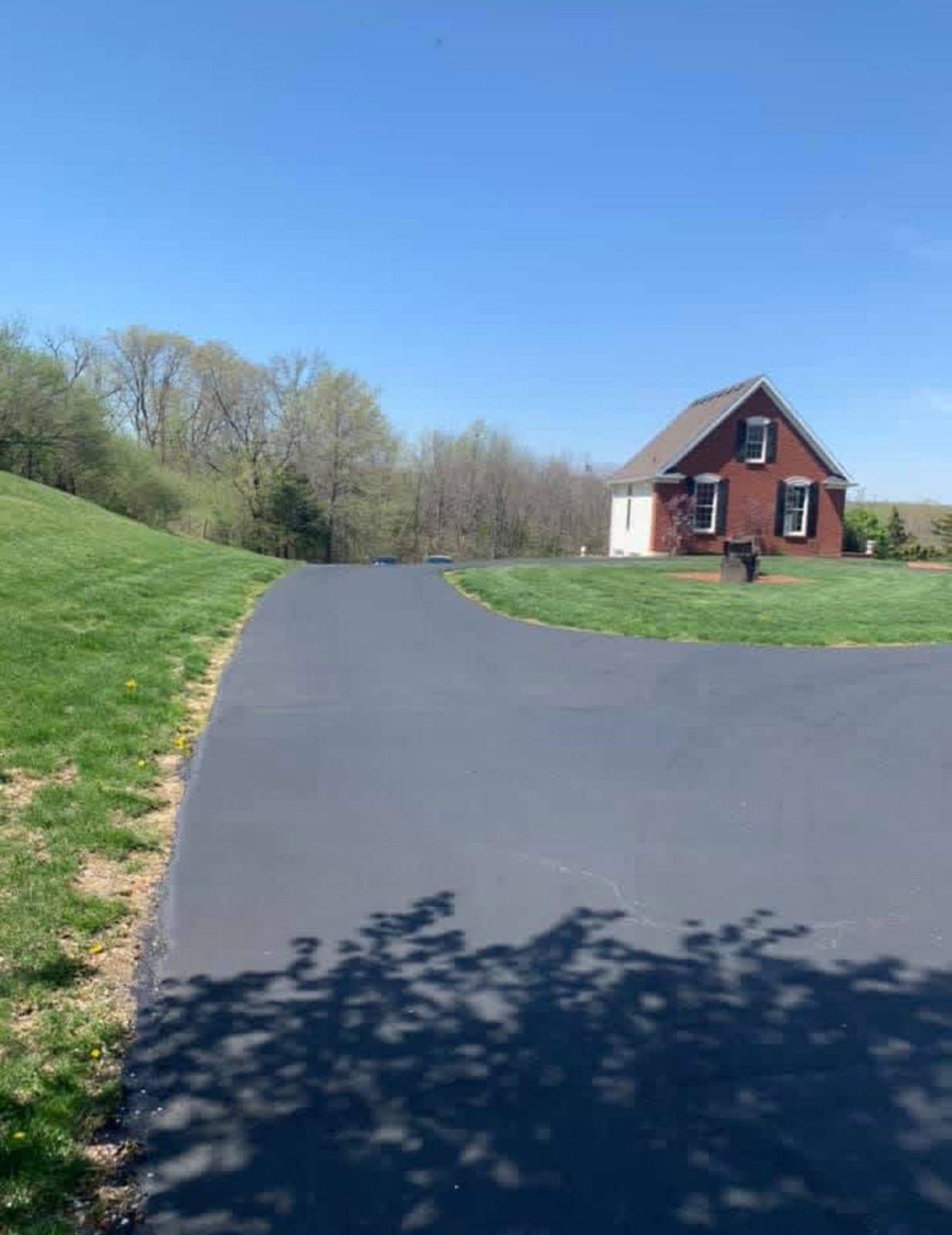
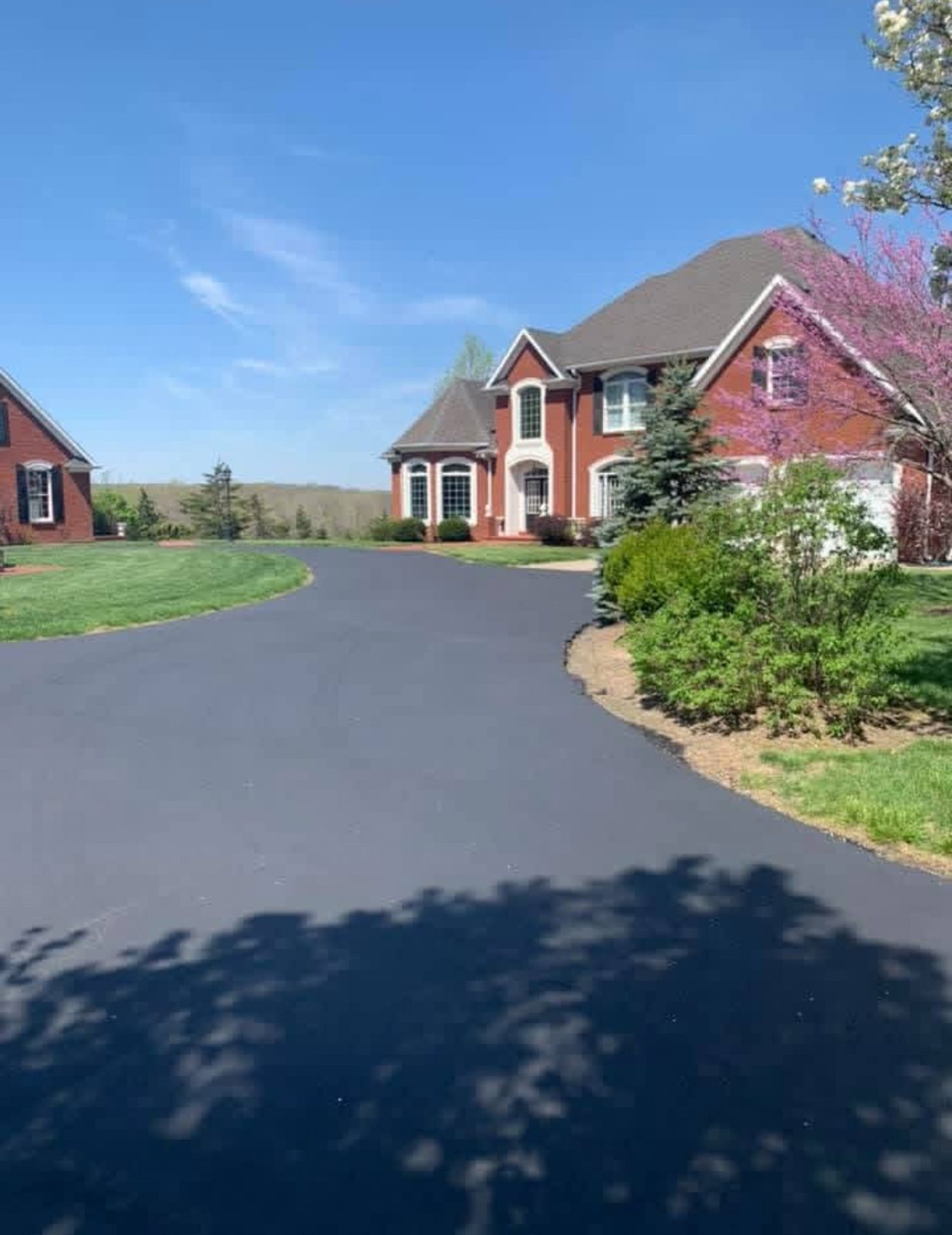
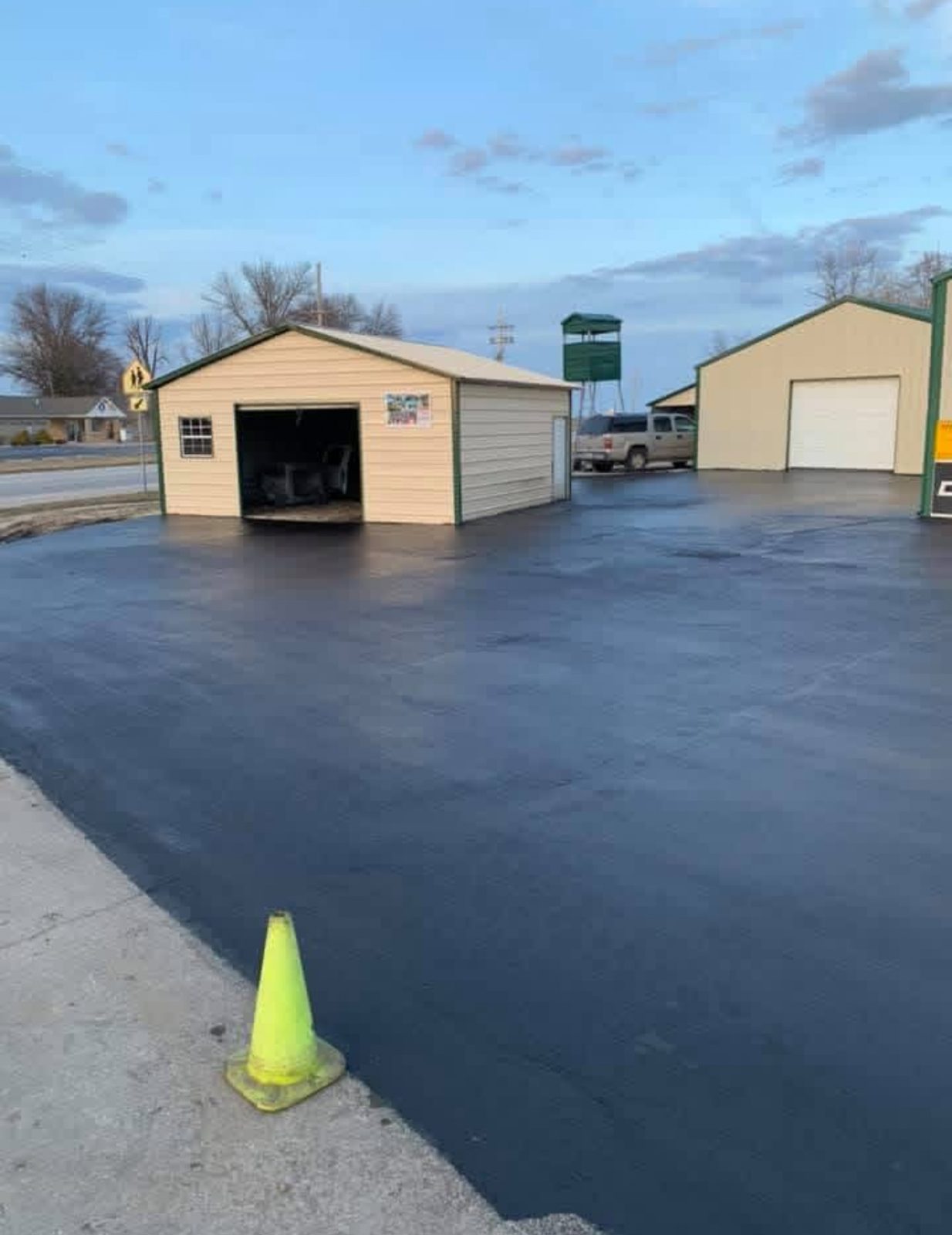
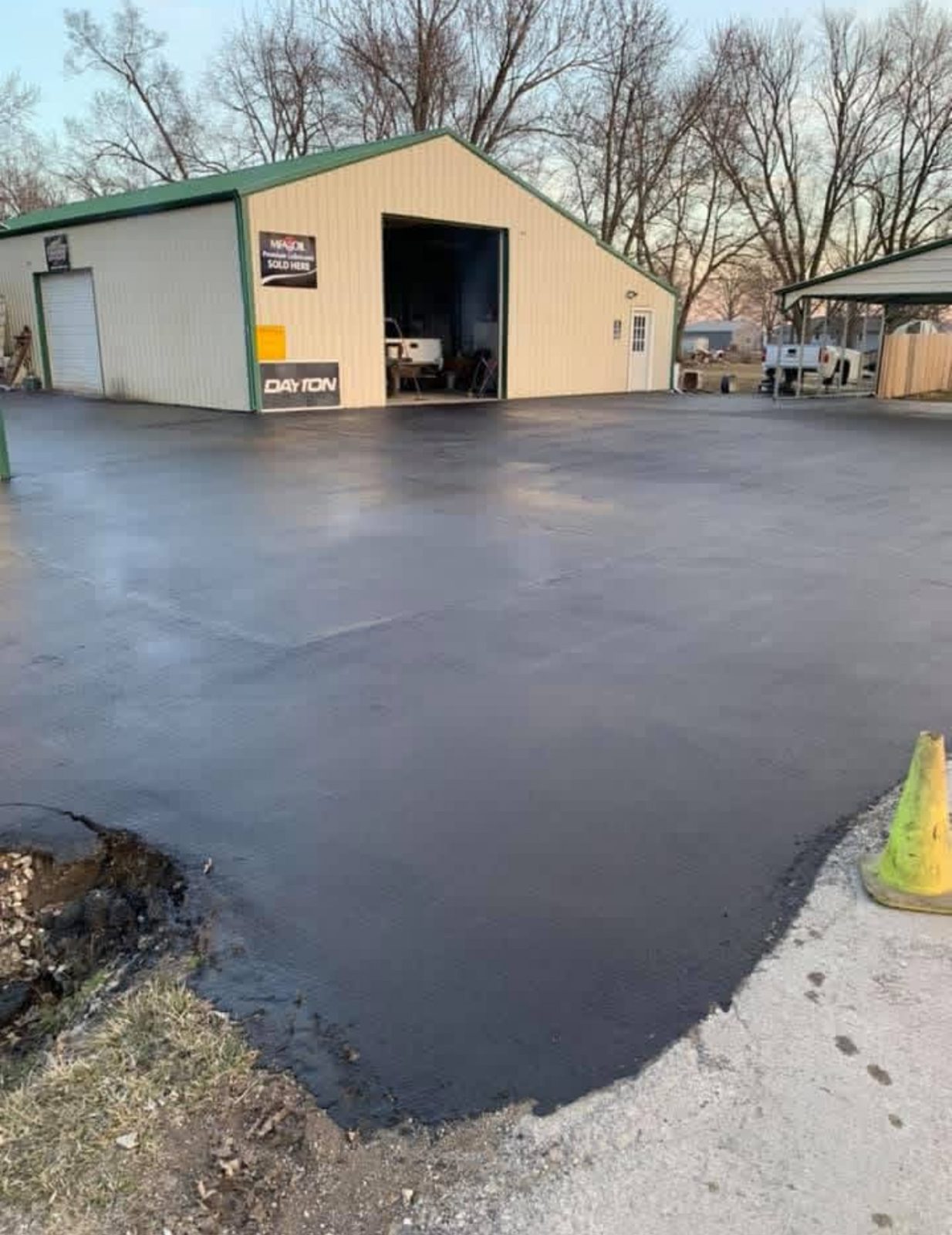
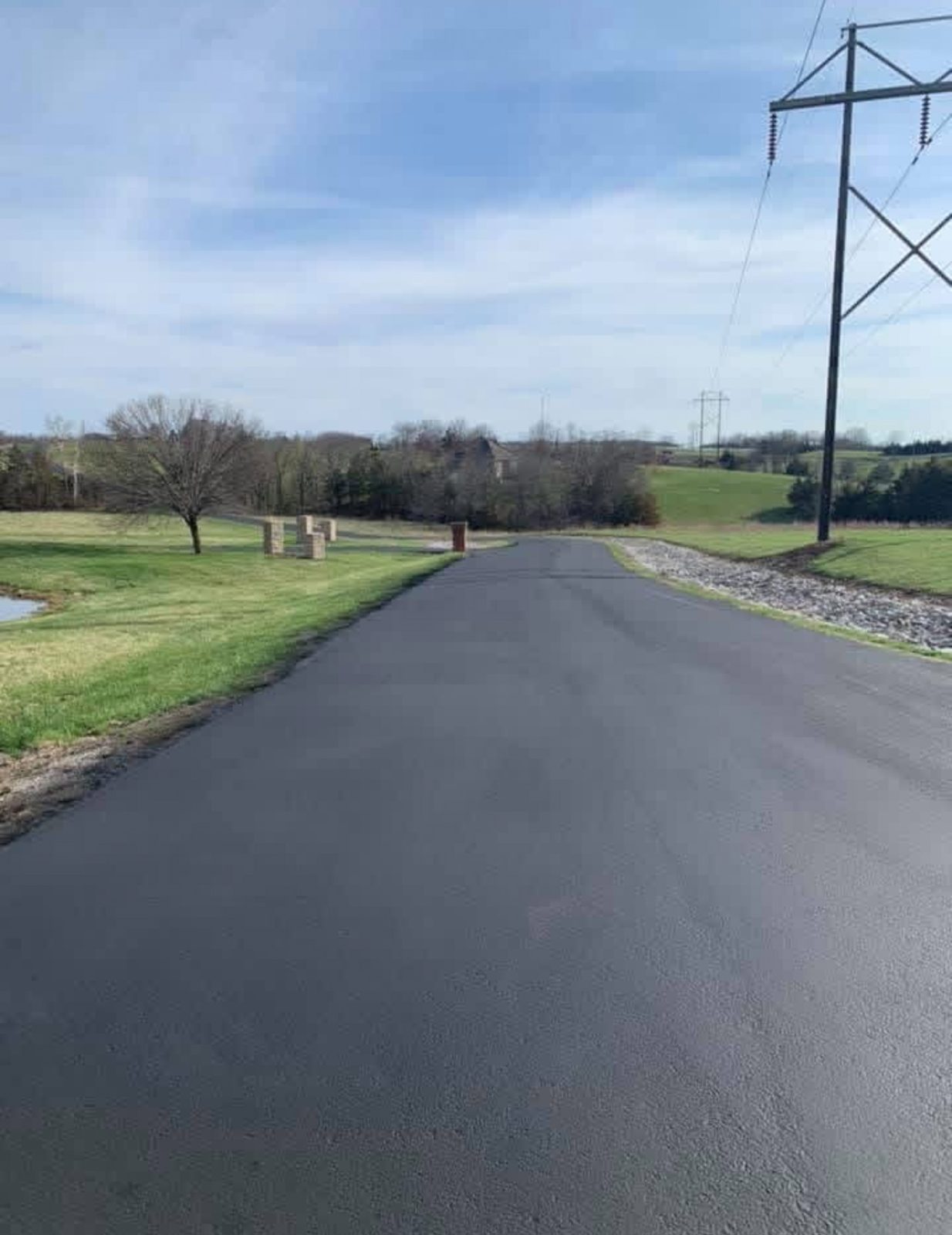
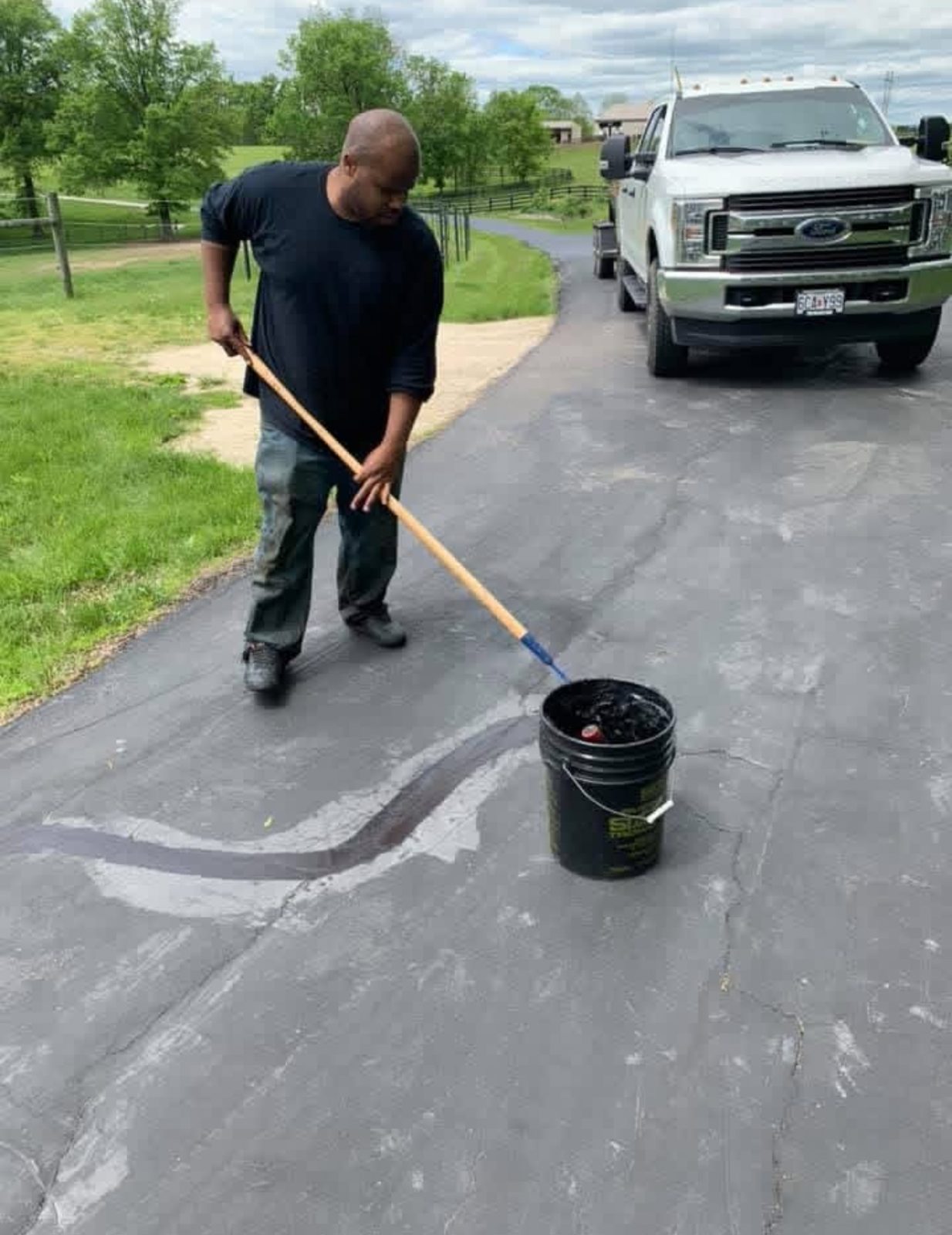
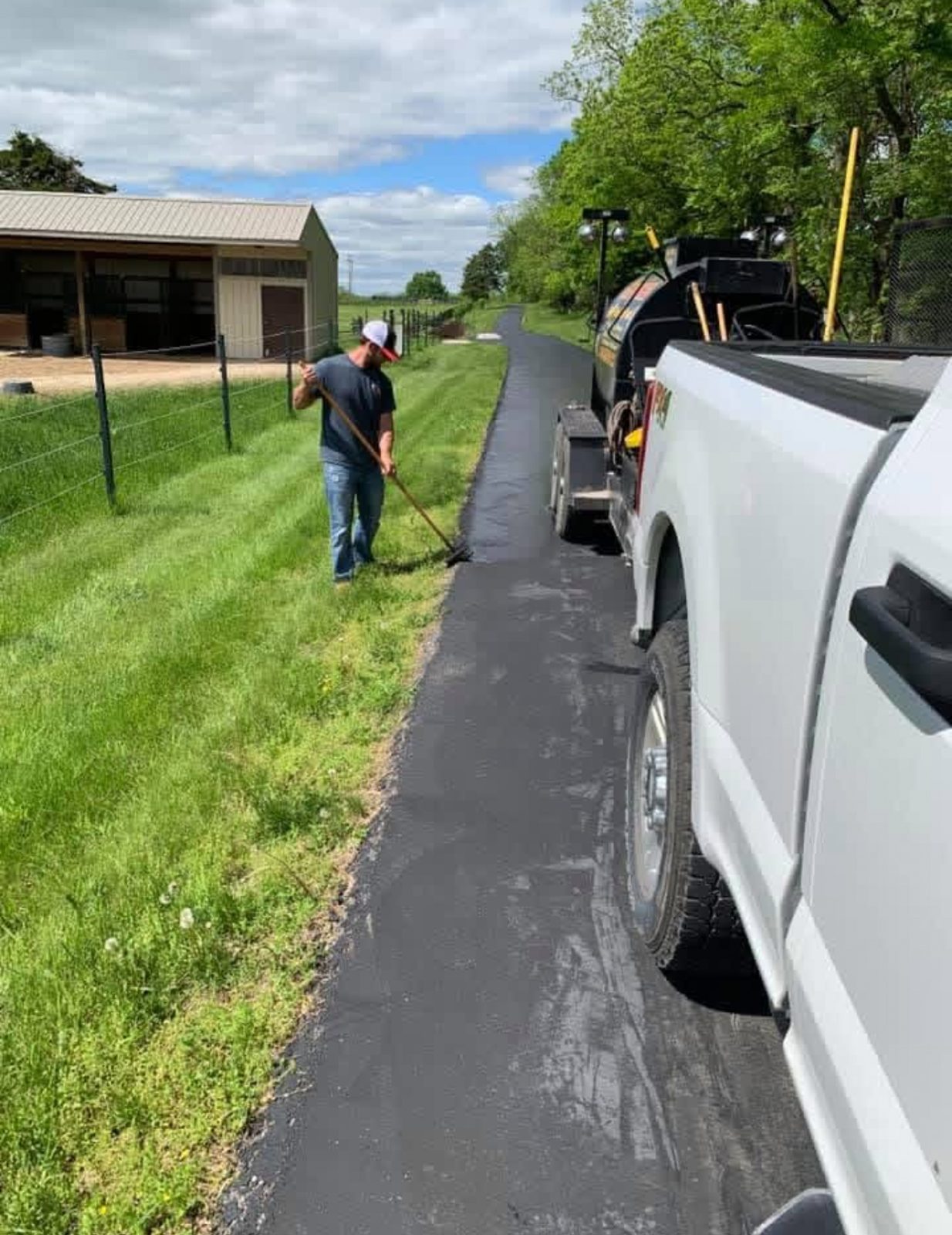
Sealcoating work
Related services
New asphalt surfaces and full replacement paving for residential driveways and commercial parking lots, built on properly graded and compacted base.
Asphalt Paving details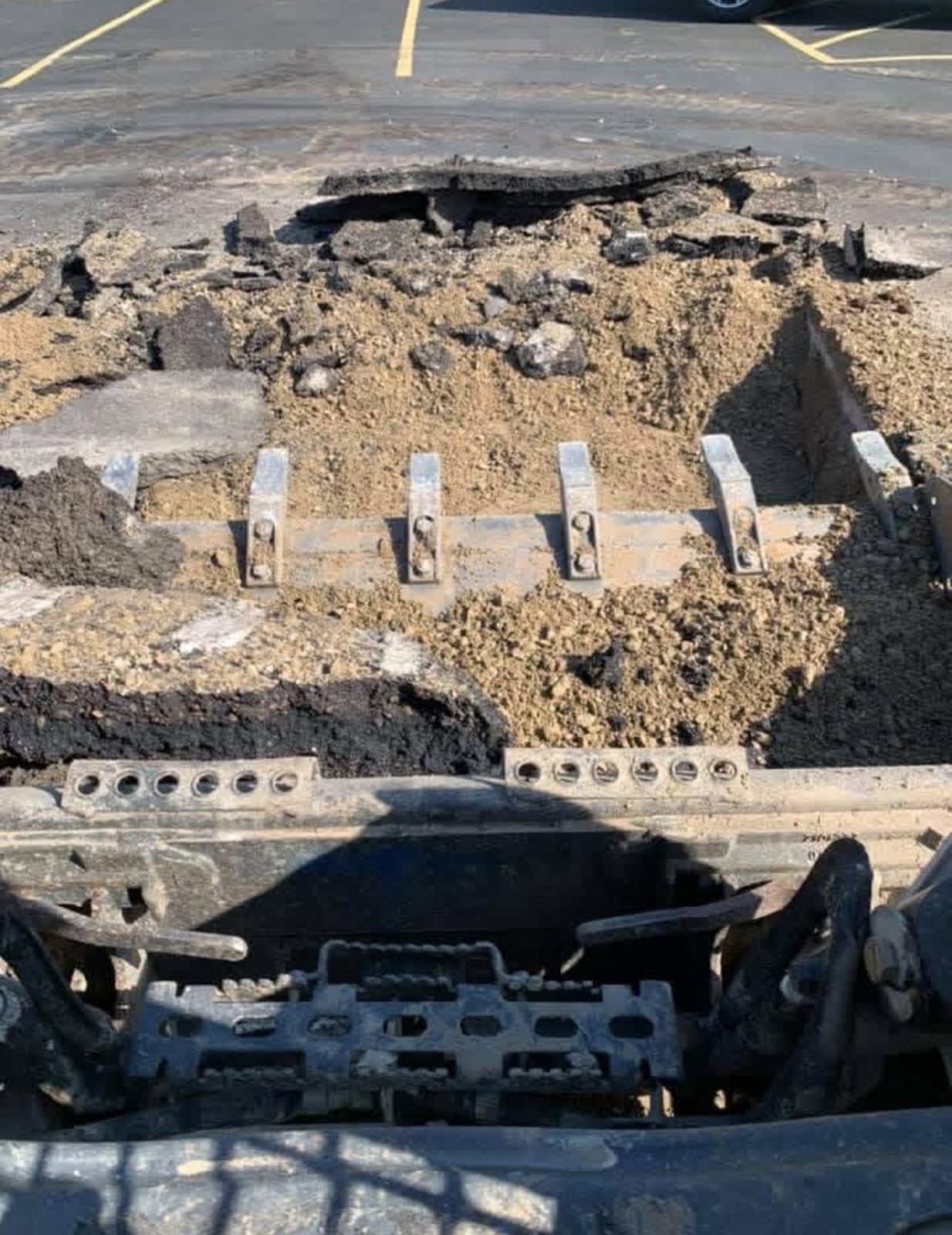
Targeted repair of potholes, failing patches, edge breakup, and cracks so water stays out of the base and damage stops spreading.
Asphalt Repair & Crack Filling details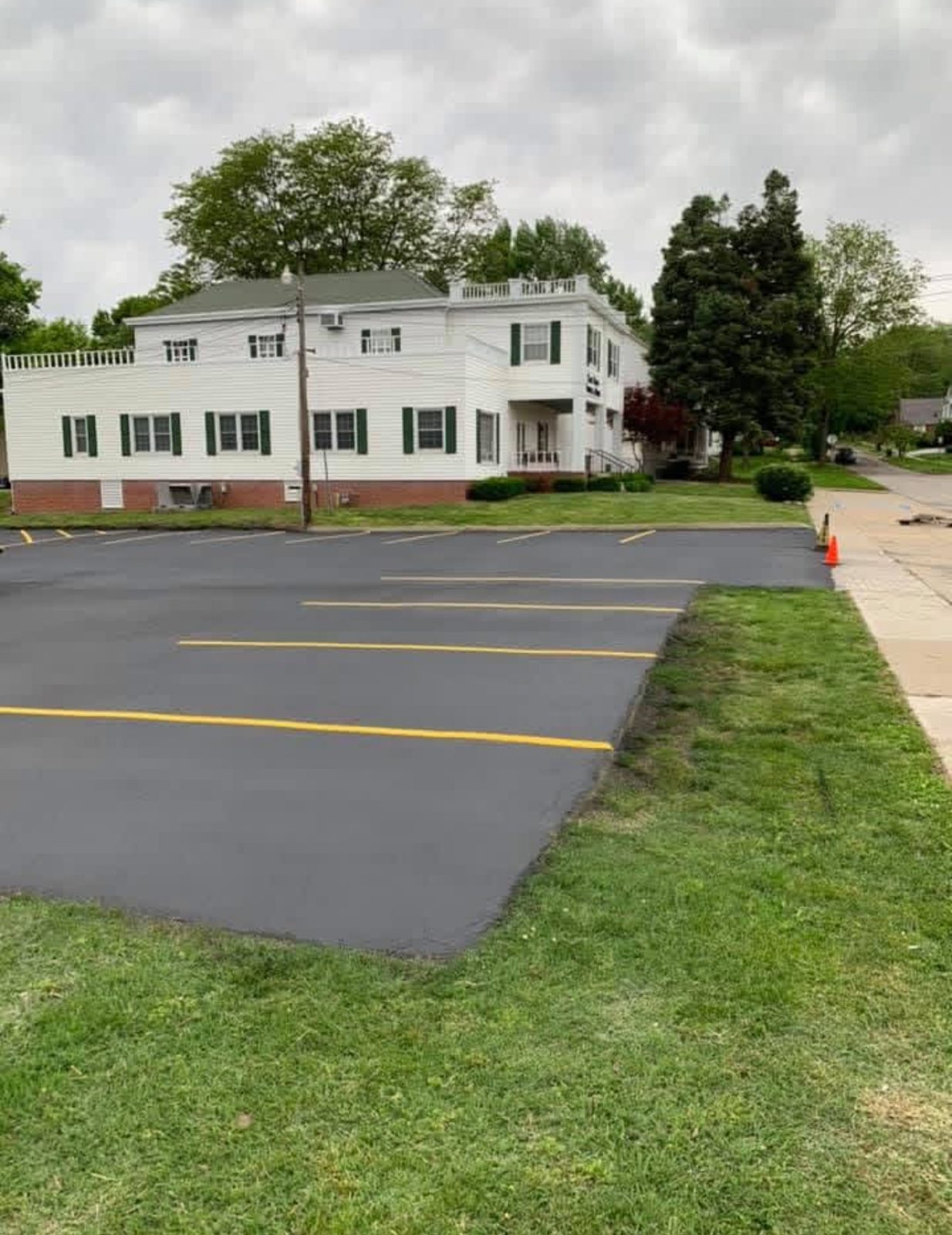
New layouts and restriping for stalls, arrows, accessible spaces, fire lanes, and loading zones, applied to an approved layout.
Parking Lot Striping details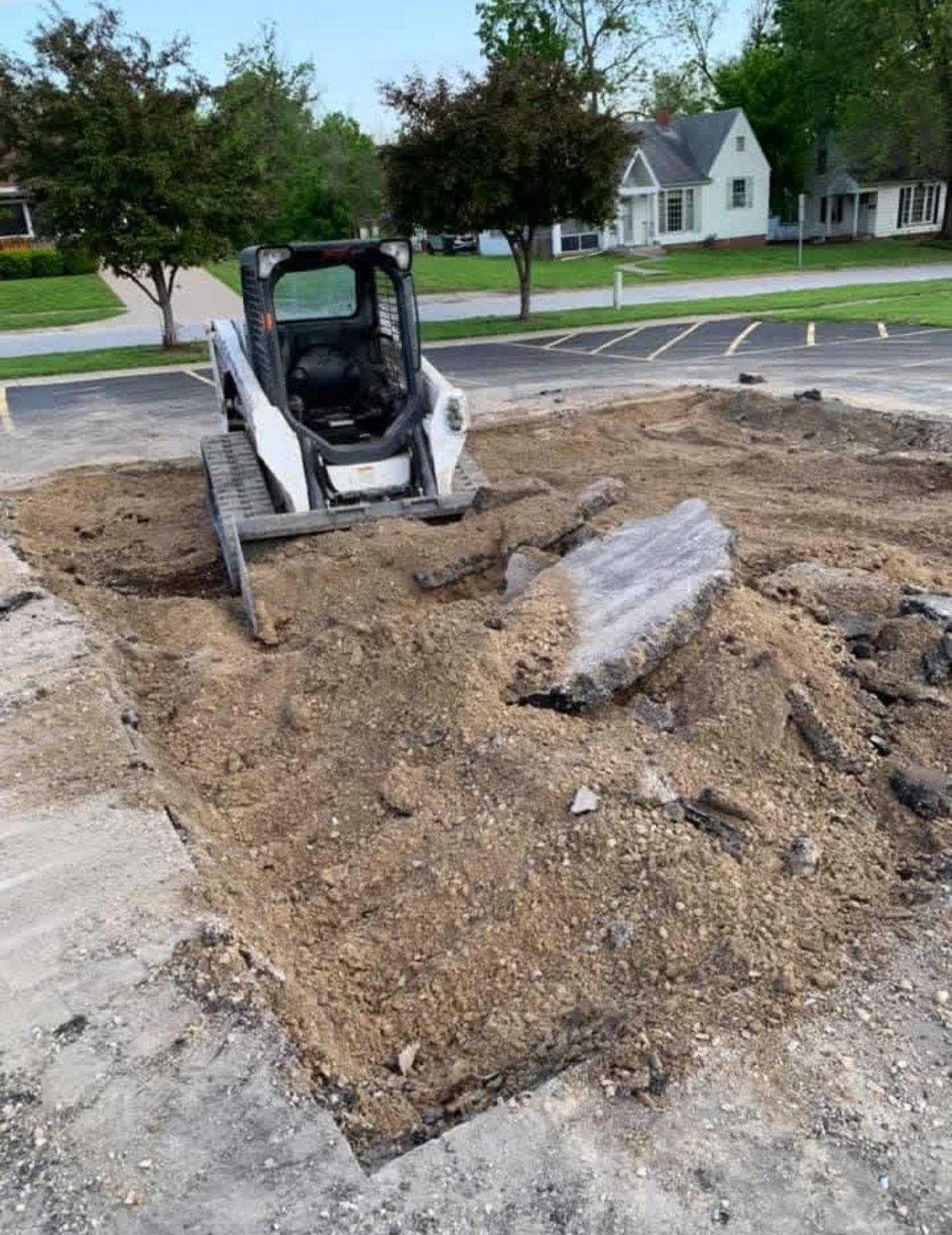
Dirt work, excavation, rough and final grading, subgrade correction, and base preparation so the pavement above it has something solid to sit on.
Grading & Site Preparation detailsSealcoating questions
If you need something specific, call or text us and we can talk it through.
It puts a protective layer over the asphalt surface so sun, water, and traffic wear act on the coating instead of the pavement itself. It also restores a clean, uniform black finish.
No. Sealcoating is surface protection, not structural repair. Cracks should be filled and failures repaired first, otherwise you are sealing over a problem that will keep growing.
If the surface is crumbling, the base is failing, or water is already moving underneath the pavement, sealcoating will not solve it. In that case repair or replacement is the honest recommendation.
Cure time depends on temperature, humidity, and sun. We tell you before we start how long to stay off the surface for your specific conditions and keep the area marked while it sets.
Yes. Residential driveways and commercial lots are both sealcoated, with the same preparation and the same attention to edges and transitions.