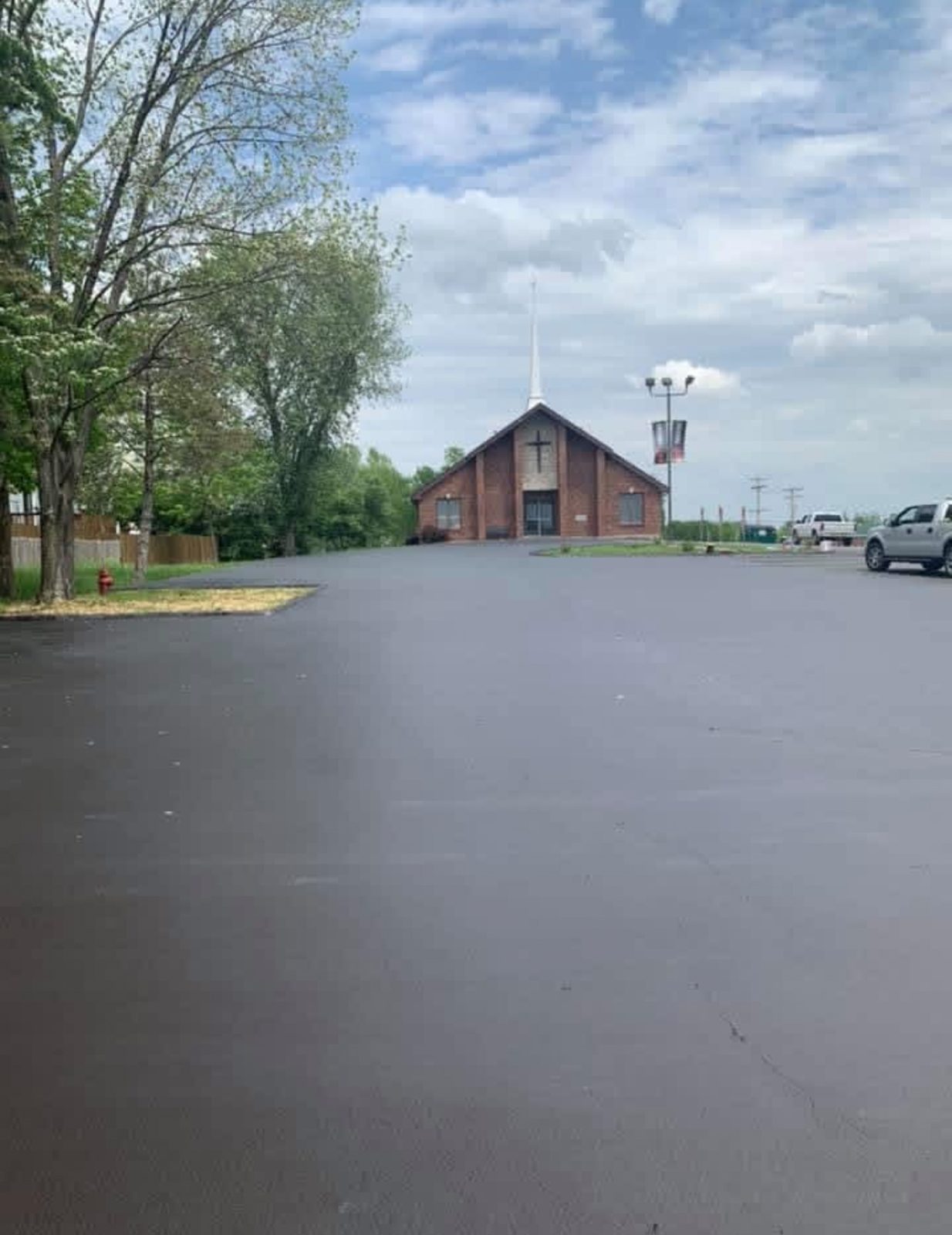
Sealcoating
A protective surface coating that shields asphalt from sun, water, and traffic wear while restoring a clean, uniform black finish.
Sealcoating details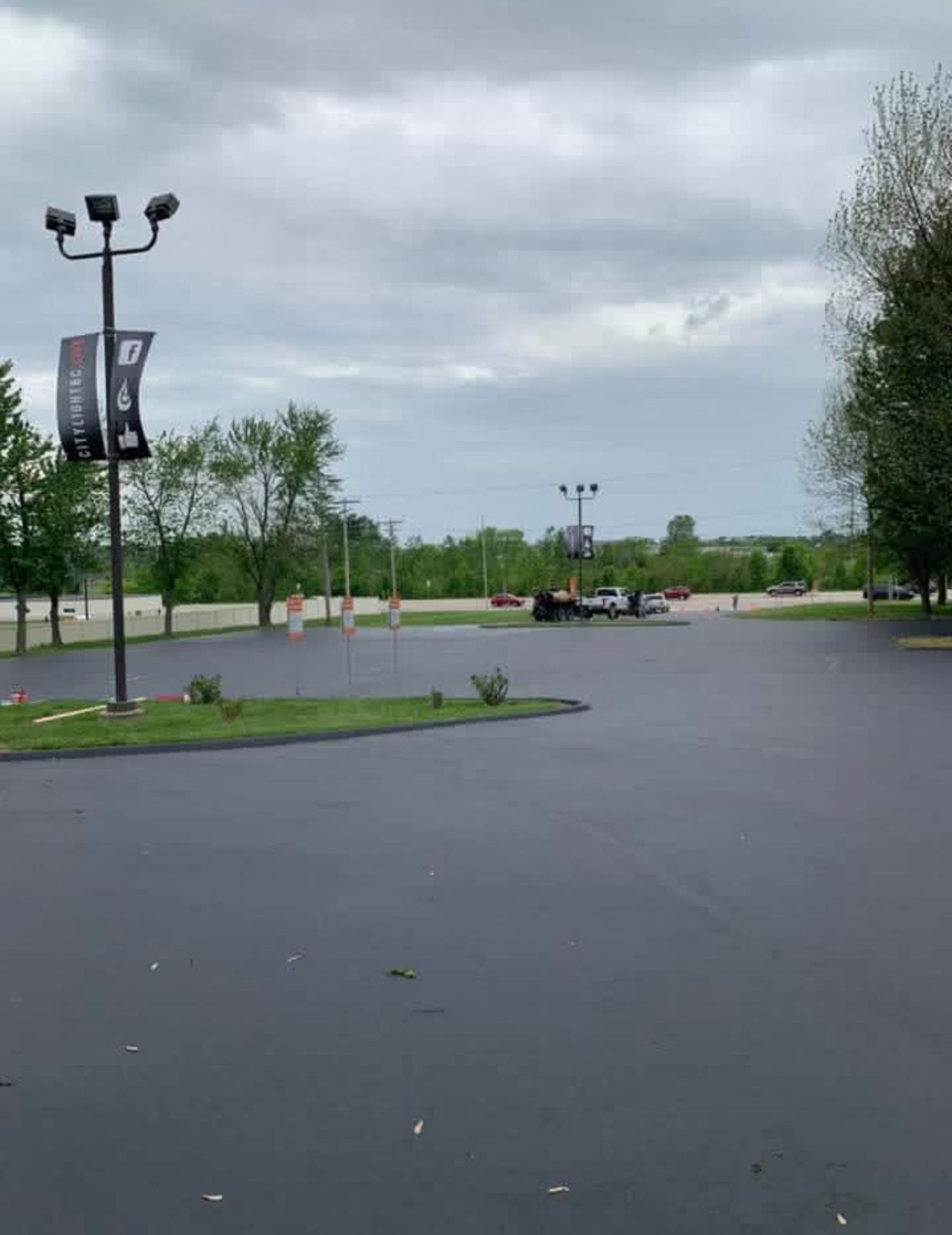
Asphalt paving in Hannibal, MO and Quincy, IL
New driveways, replacement paving, and commercial parking lots. We grade and compact the base first, because the base is what determines how the surface holds up over time.
What we pave
Asphalt paving covers two situations: putting down a surface where there was not one before, and removing or building over a surface that has reached the end of its life. Both start the same way, with a hard look at what the pavement is going to sit on and where water is going to go.
On the residential side that usually means driveways, gravel-to-asphalt conversions, extensions, and parking pads. On the commercial side it is parking lots, access drives, loading areas, and approaches. The engineering thinking is the same; the traffic loading and the staging are not.
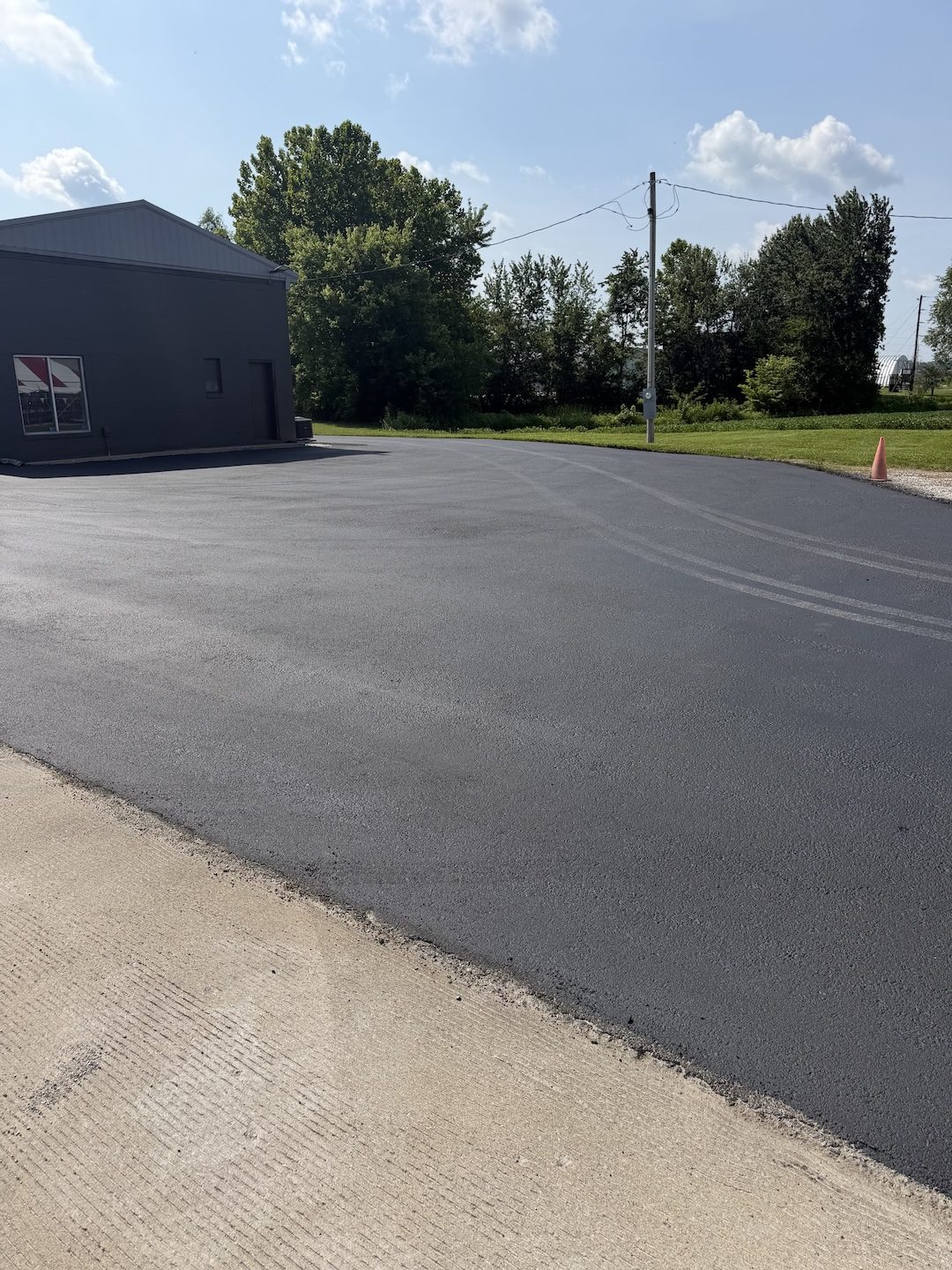
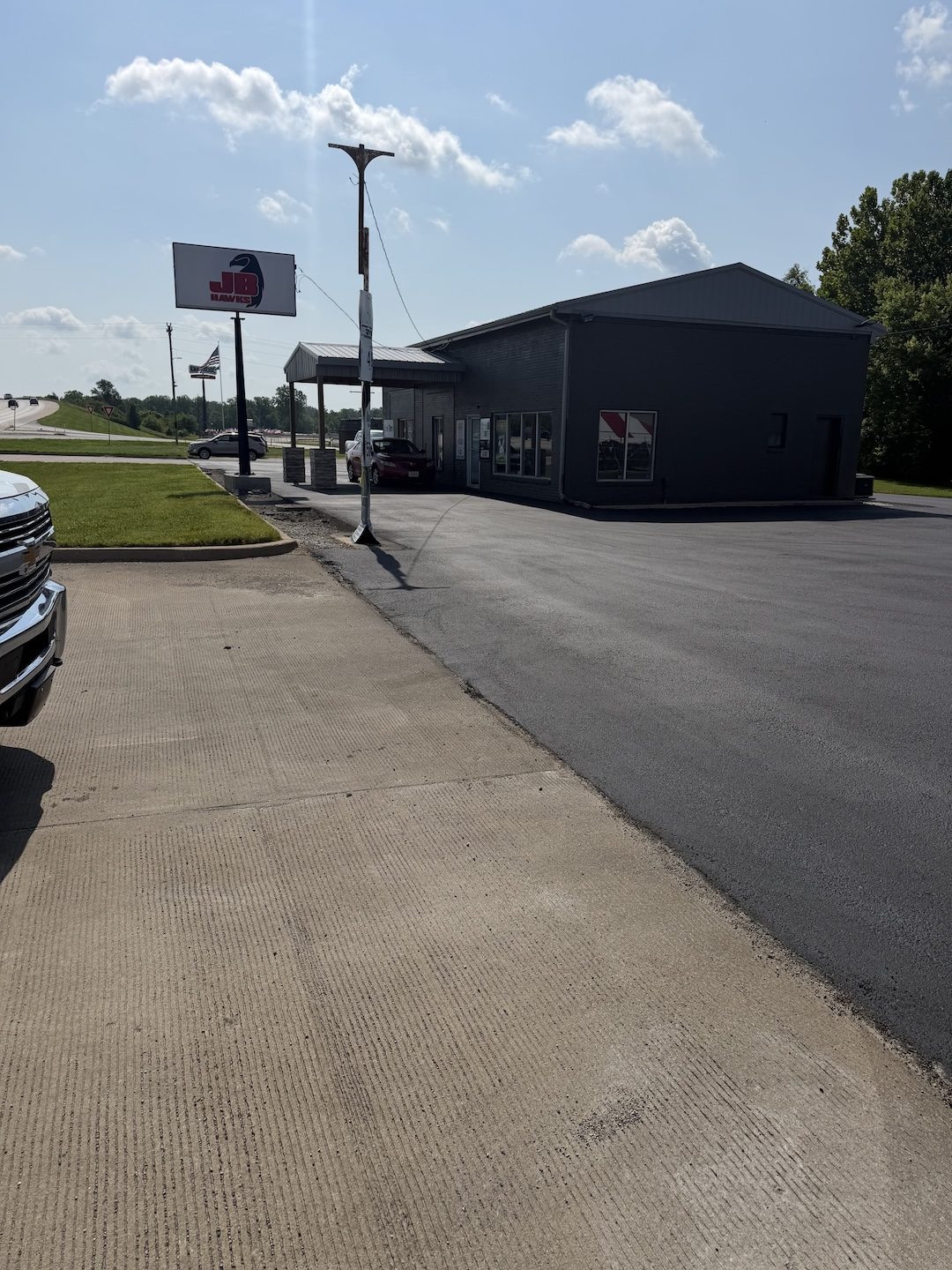
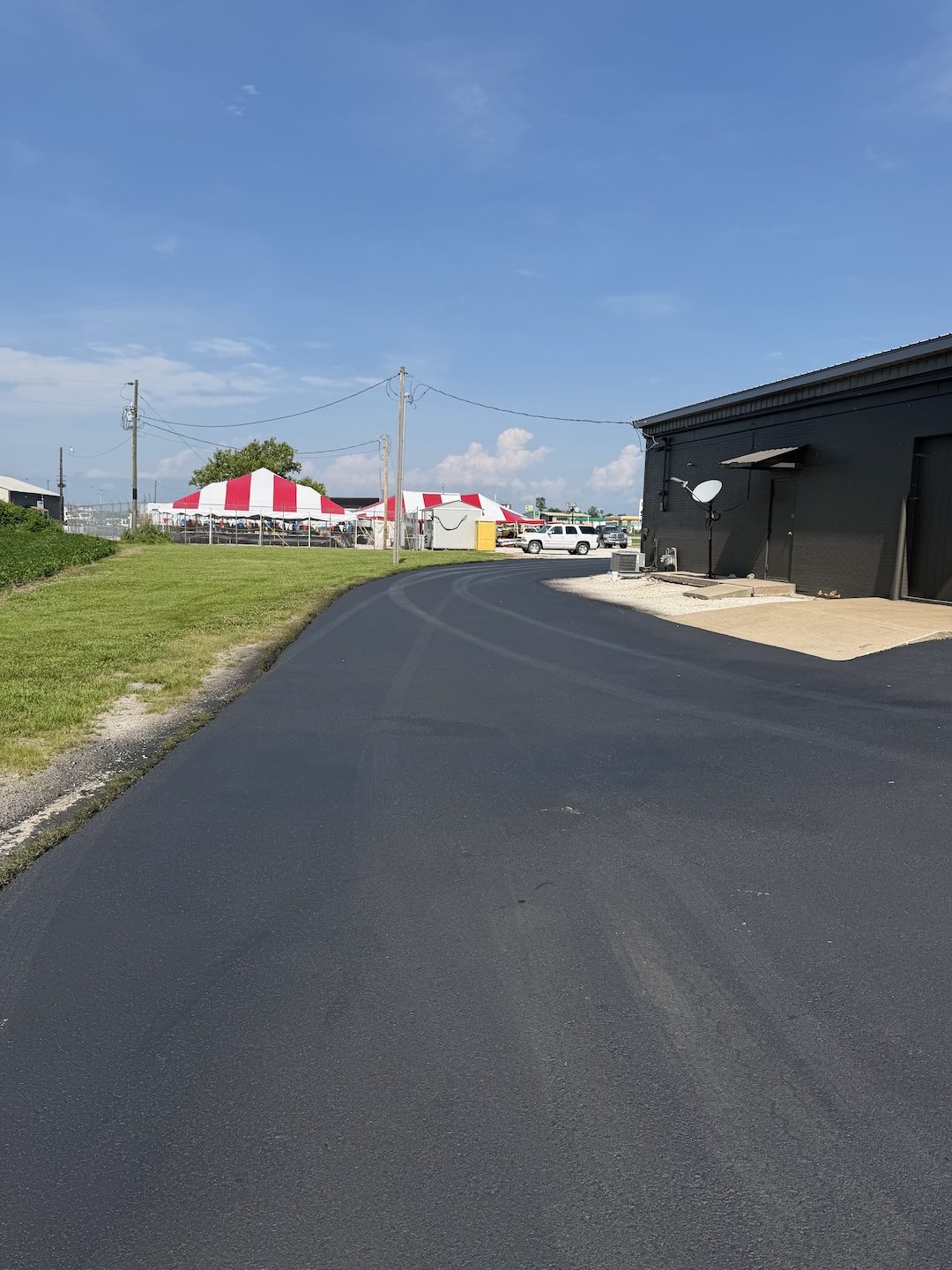
Once the base is graded, shaped for drainage, and compacted, the asphalt is laid and compacted while it is at working temperature. Edges get finished so they do not crumble, and transitions to existing pavement, garages, and aprons get tied in cleanly.
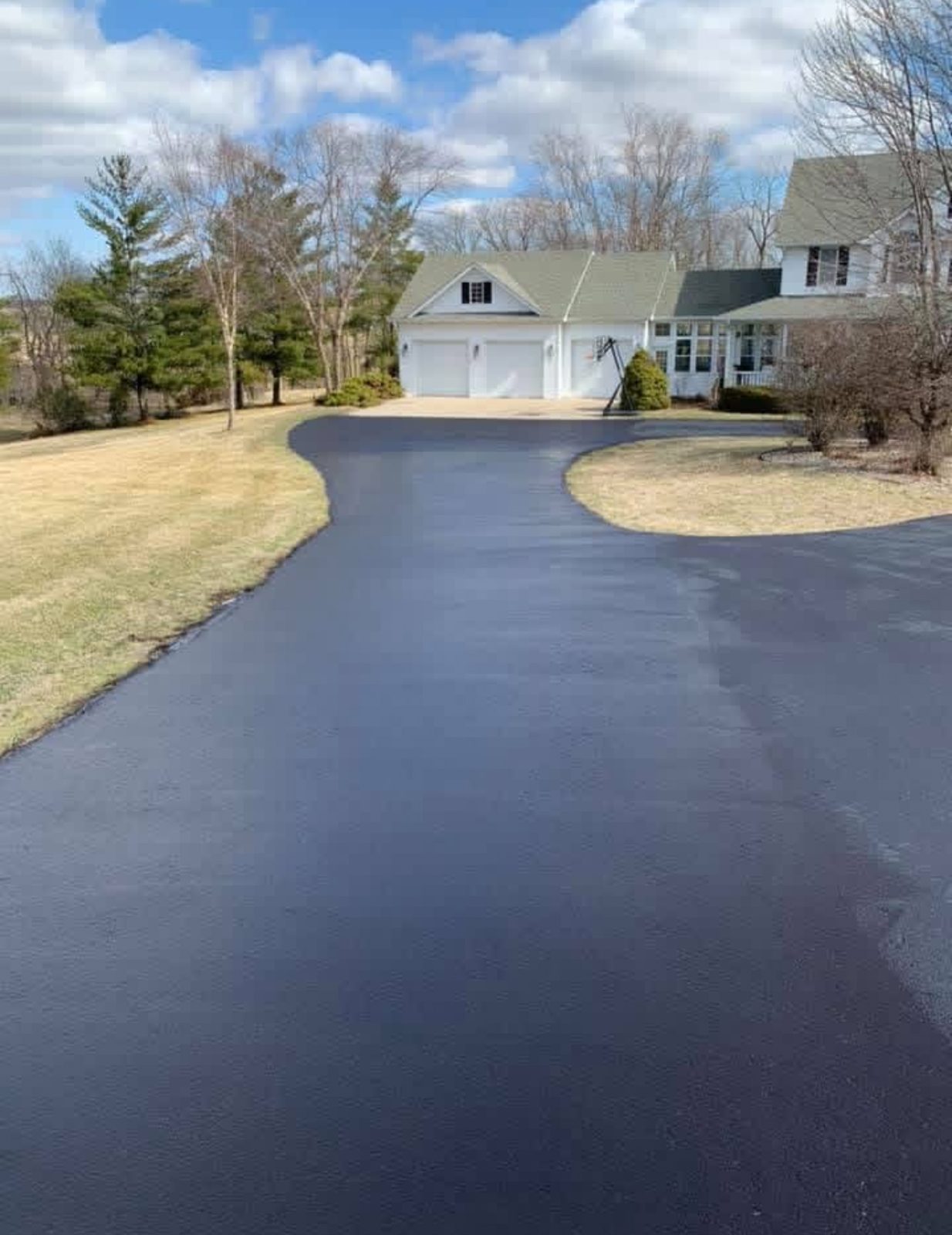
Residential paving
Commercial paving
The process
We walk the property, look at the existing surface or subgrade, and check how water moves across it.
Excavation and dirt work as needed, subgrade correction, shaping for drainage, then compaction.
Asphalt is laid at working temperature, spread to the planned depth, and rolled to compaction.
Edges are finished, transitions are tied in, and the site is cleaned before we hand it back.
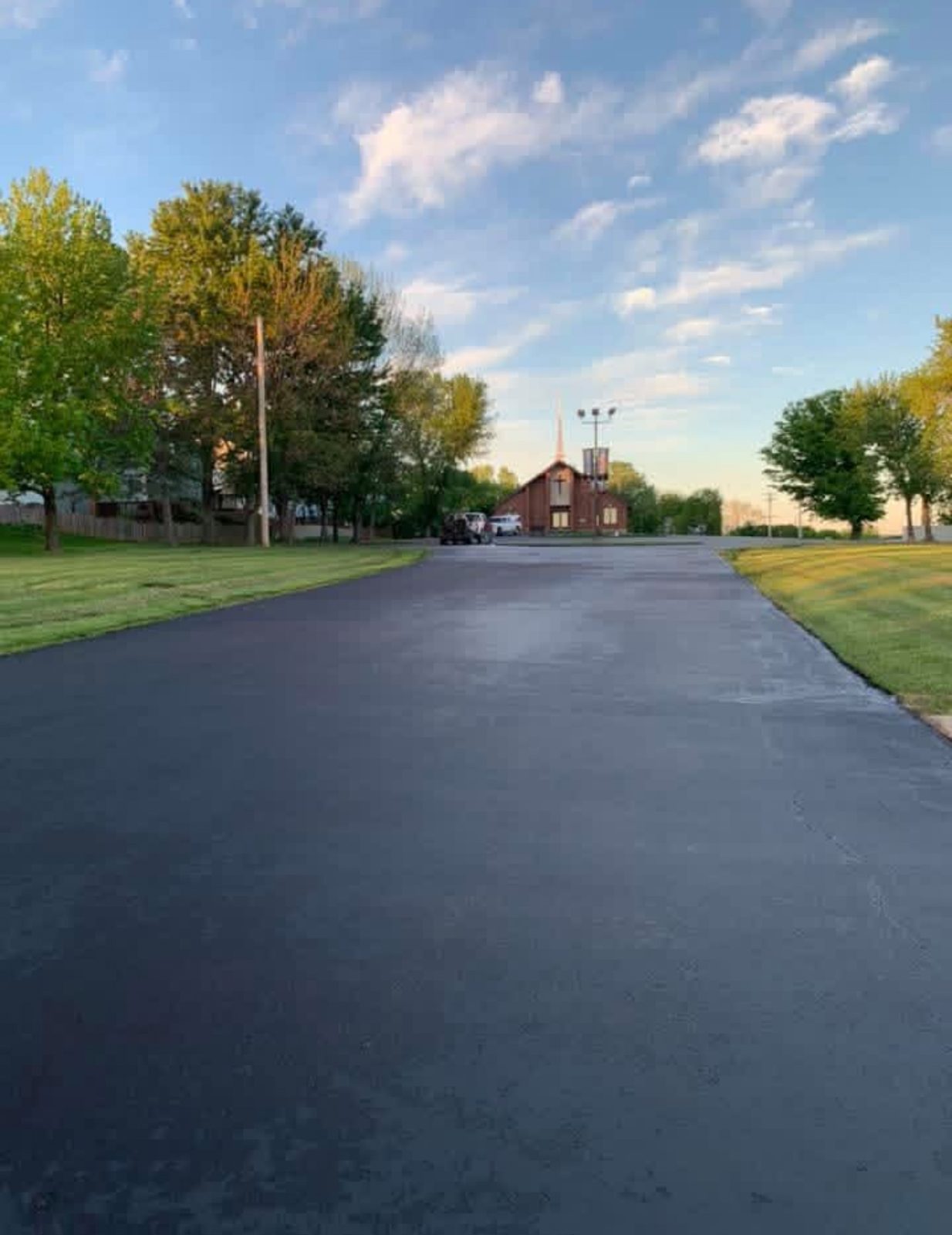
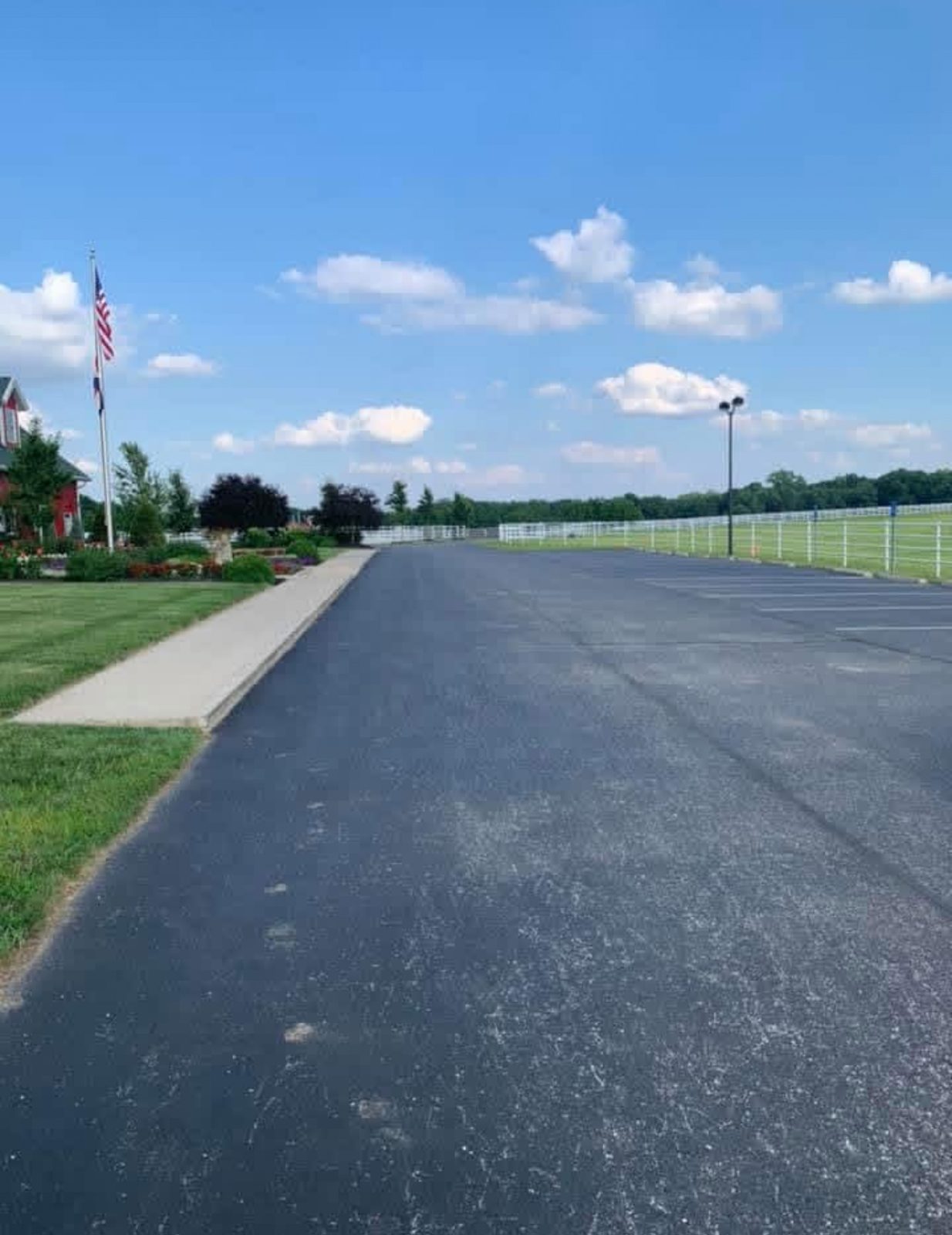
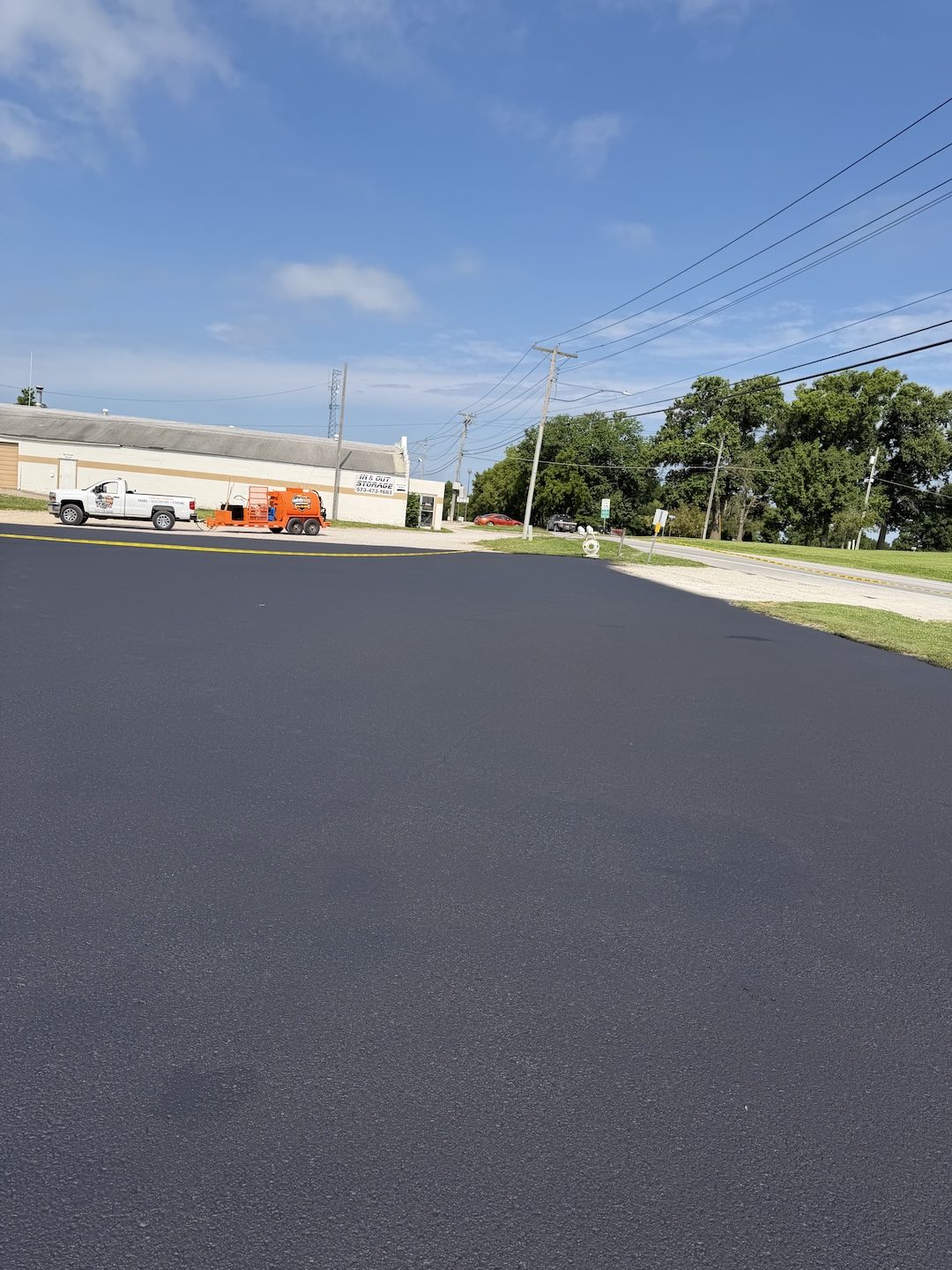
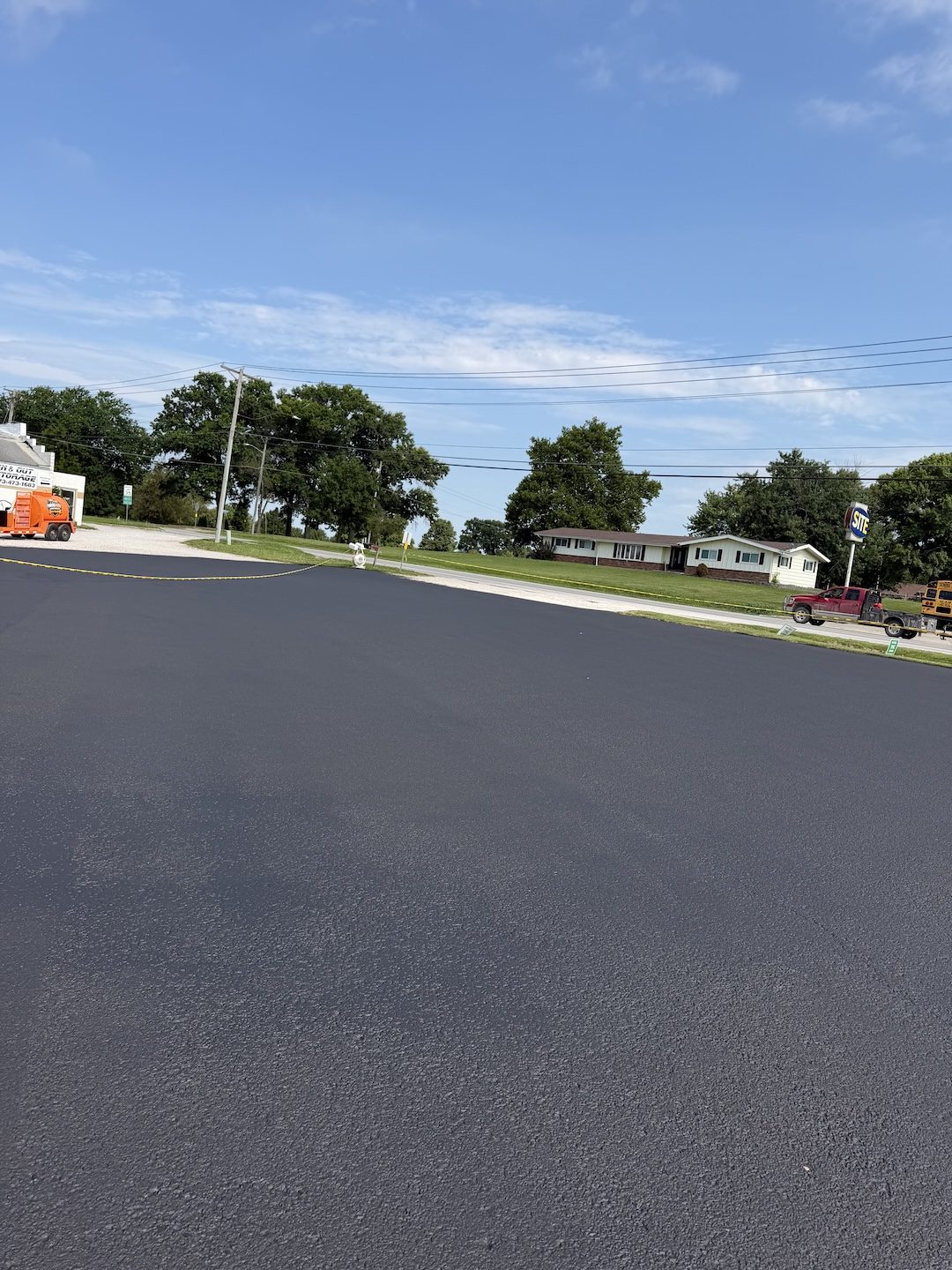
Paving work
Related services
A protective surface coating that shields asphalt from sun, water, and traffic wear while restoring a clean, uniform black finish.
Sealcoating details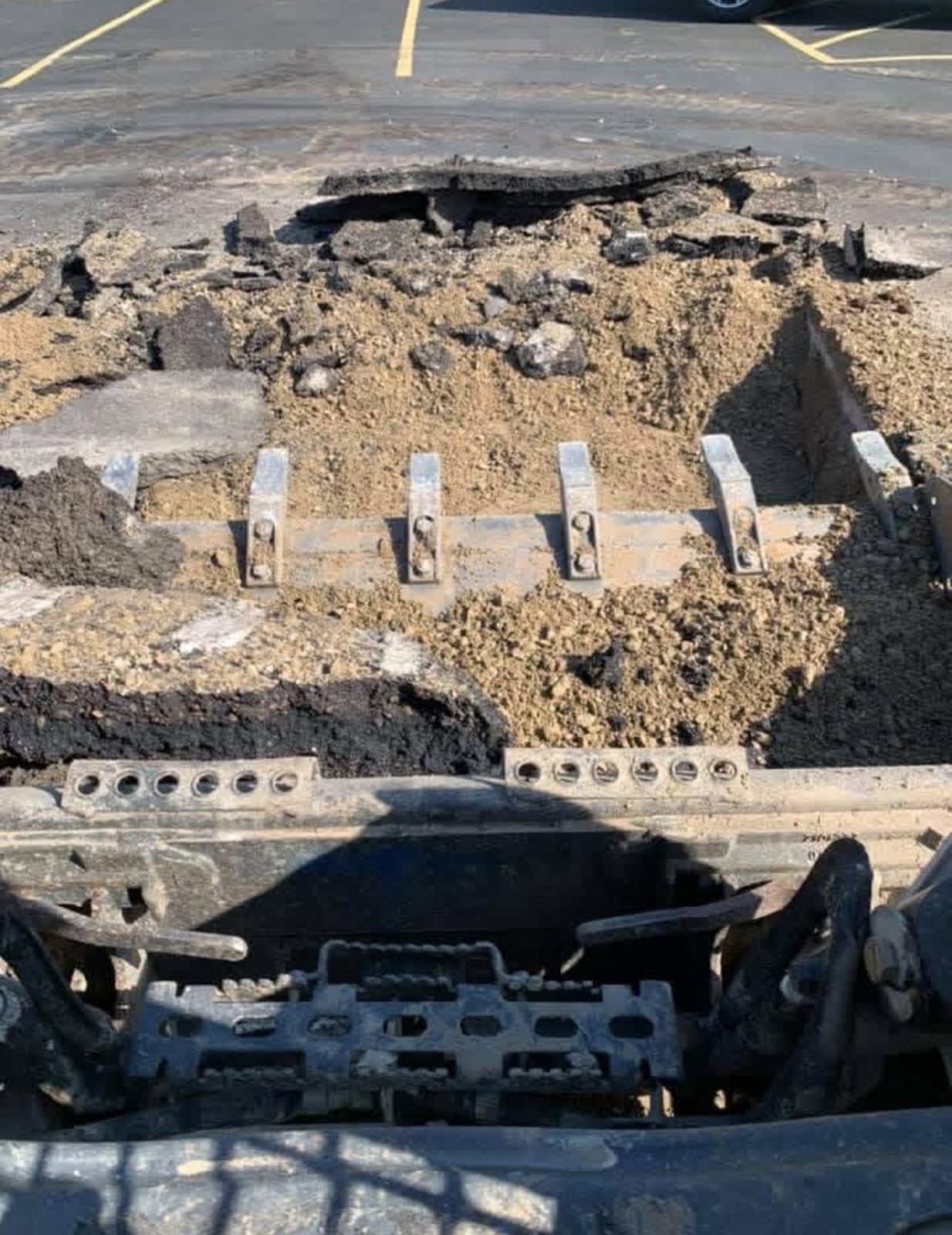
Targeted repair of potholes, failing patches, edge breakup, and cracks so water stays out of the base and damage stops spreading.
Asphalt Repair & Crack Filling details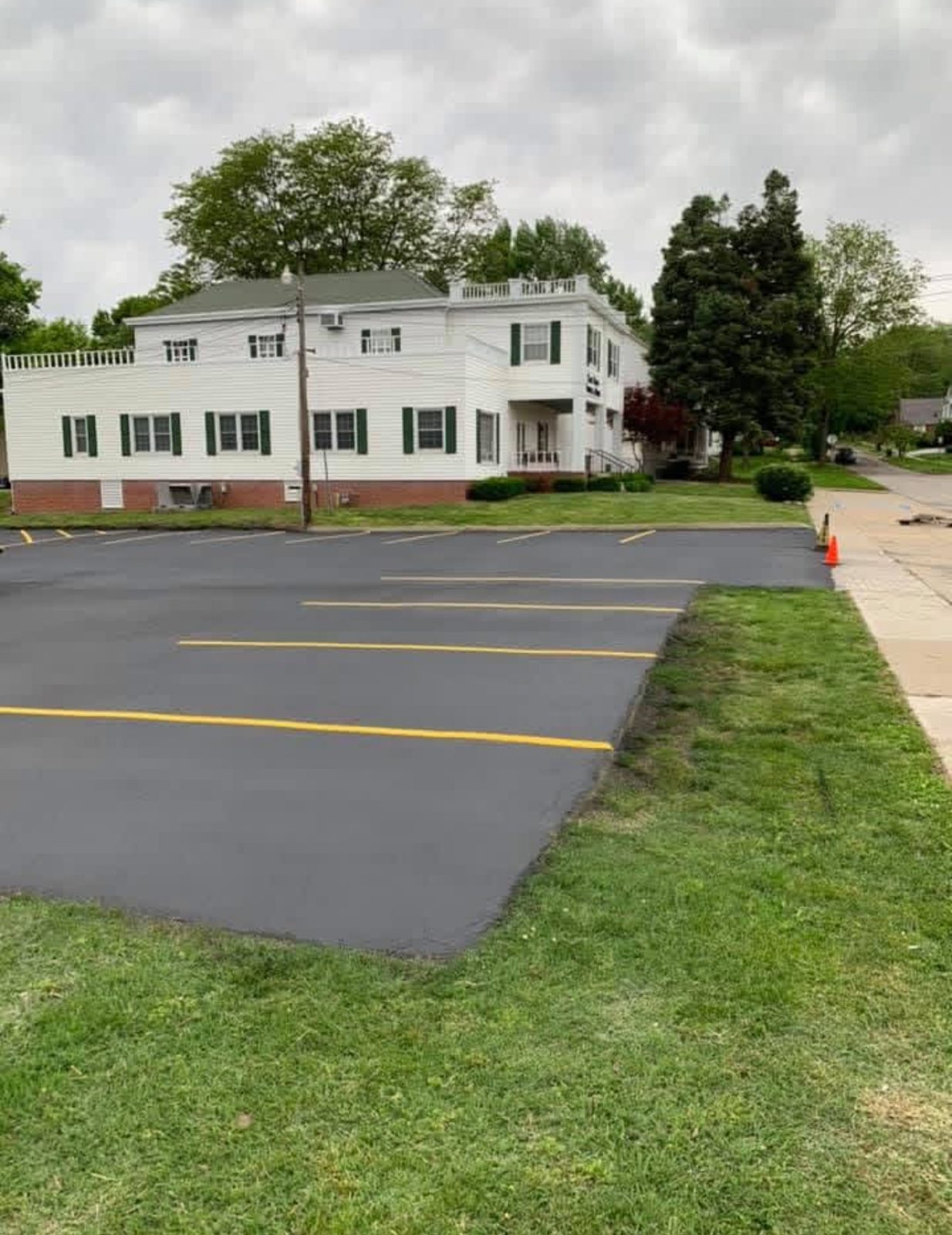
New layouts and restriping for stalls, arrows, accessible spaces, fire lanes, and loading zones, applied to an approved layout.
Parking Lot Striping details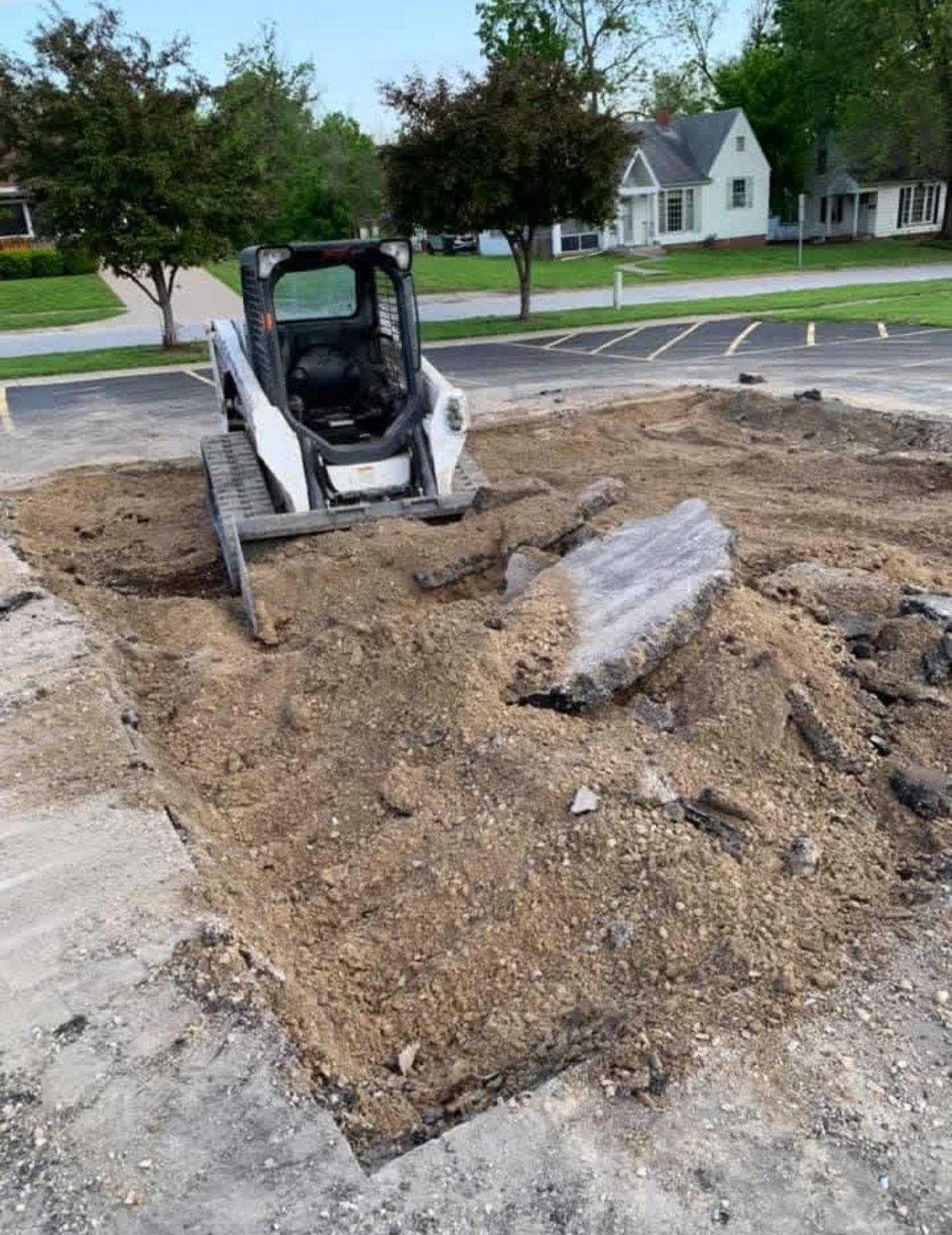
Dirt work, excavation, rough and final grading, subgrade correction, and base preparation so the pavement above it has something solid to sit on.
Grading & Site Preparation detailsPaving questions
If you need something specific, call or text us and we can talk it through.
Yes. We pave residential driveways and commercial parking lots, using the same approach to grading, base, and compaction. The difference is scale, traffic loading, and access planning.
In many cases yes. A gravel drive needs to be graded, shaped, and compacted first so the new asphalt sits on a stable base and water runs off instead of standing.
That depends on the base. If the base underneath is still solid and the problem is surface wear, a new surface can work. If the base has failed, water is undermining it, or the surface is breaking up in multiple areas, replacement is usually the honest answer.
We grade the area, correct soft or unstable subgrade, shape it so water drains, and compact it before any asphalt goes down. Skipping this is the most common reason new pavement fails early.
Asphalt paving depends on temperature and weather conditions. We schedule around what the conditions allow rather than forcing a date, and we will tell you if timing is working against the job.