Skip to content
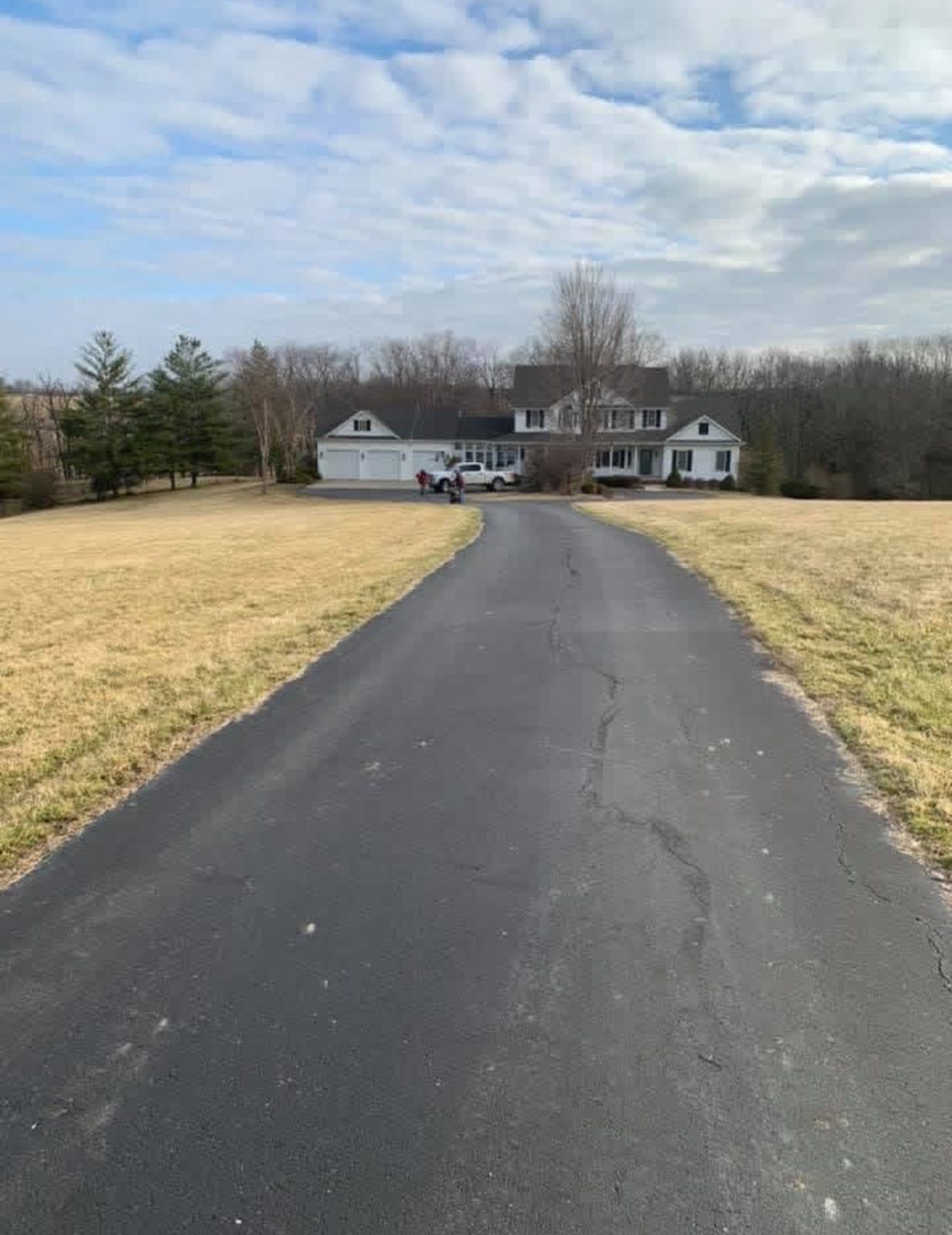
Worn asphalt driveway with faded surface and open cracking before repair

Comparison

Sealcoat, resurface, or replace?

Three very different jobs at three very different prices. The right call depends on whether the problem is on the surface or underneath it.

The short version

Ask what is failing, not what it looks like.

A gray, tired-looking surface is not the same problem as a lot that keeps potholing in the same corner. The first is weathering on the surface. The second is water in the base. Sealcoating fixes the first and does nothing for the second.

So the question is never simply which option costs less. It is which layer has failed, because spending on the wrong layer means paying twice.

The three options

What each one actually does.

Protect what is still good

Sealcoating

A protective coating over a surface that is structurally sound. It slows weathering from sun, water, and traffic and restores a clean black finish. It does not fix a failing base and it does not carry load.

Right call when

  • The surface is sound with only minor cracking
  • The base is stable and drainage works
  • You want to extend the life of good pavement
  • The lot or drive mostly needs to look maintained
New surface, existing base

Resurfacing

A new layer of asphalt over the existing pavement after repairs and preparation. It gives you a new driving surface without a full tear-out, but it only works when what is underneath is still holding up.

Right call when

  • The surface is worn or rutted but the base is solid
  • Cracking is widespread but not structural failure
  • Elevations and drainage still work with added height
  • Failed areas can be cut out and repaired first

Start with the base

Replacement

Removal of the existing asphalt, correction of the base and grade, then new pavement. It is the most expensive option and the only one that fixes problems coming from underneath.

Right call when

  • Potholes keep returning in the same places
  • The surface moves, sinks, or holds water
  • Alligator cracking covers large areas
  • Previous patches and overlays keep failing

Surface problems

Signs a coating is the right spend.

  • Color has faded to gray but the surface is firm
  • Cracks are narrow and can be filled first
  • Water runs off instead of standing
  • No soft spots or movement underfoot

Base problems

Signs the problem is underneath.

  • Potholes return in the same spots after patching
  • Alligator cracking spreading across whole areas
  • Low spots holding water after rain
  • Edges breaking apart or the surface sinking

Hannibal, MO

How this plays out in Hannibal.

Freeze and thaw cycles open cracks, and once water gets under the surface the damage stops being cosmetic. On long rural drives, catching that early with crack filling and sealcoating is usually the difference between maintenance and replacement.

Where a drive has been left alone for years, we often find the surface is fine in most areas and failing in specific ones, which makes repair plus coating the sensible plan.

Quincy, IL

How this plays out in Quincy.

Commercial lots in Quincy tend to fail at the drive lanes, dumpster pads, and entrances first, where the loads are heaviest. Those areas often need cutting out and repairing while the rest of the lot is fine for resurfacing or coating.

Treating a lot as one uniform decision is usually the expensive mistake. Zoning the work by condition keeps the budget on the parts that need it.

Repair work

Pavement we have repaired and rebuilt.

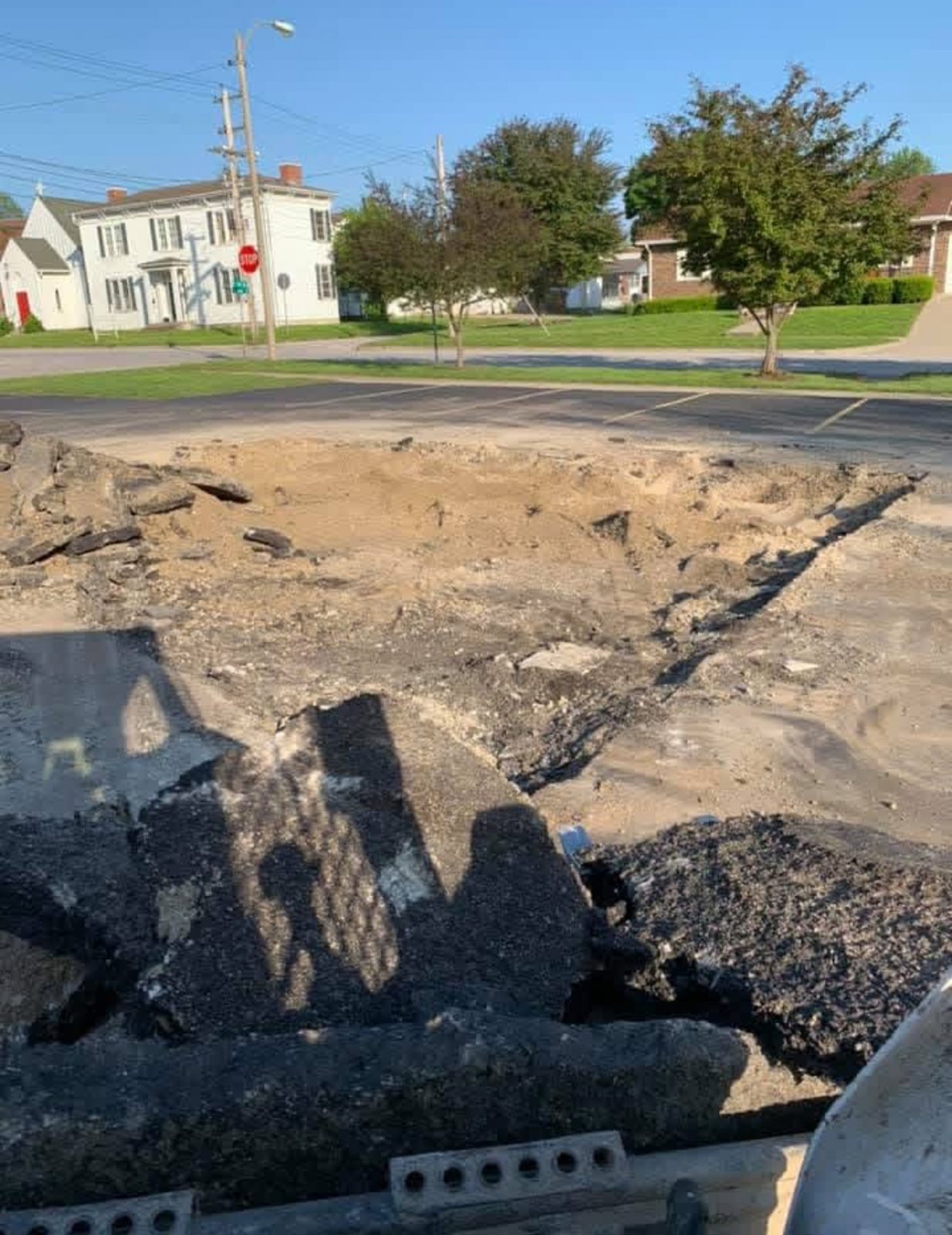
Repair broken asphalt and base by United Way Asphalt
Asphalt repairRepair broken asphalt and base
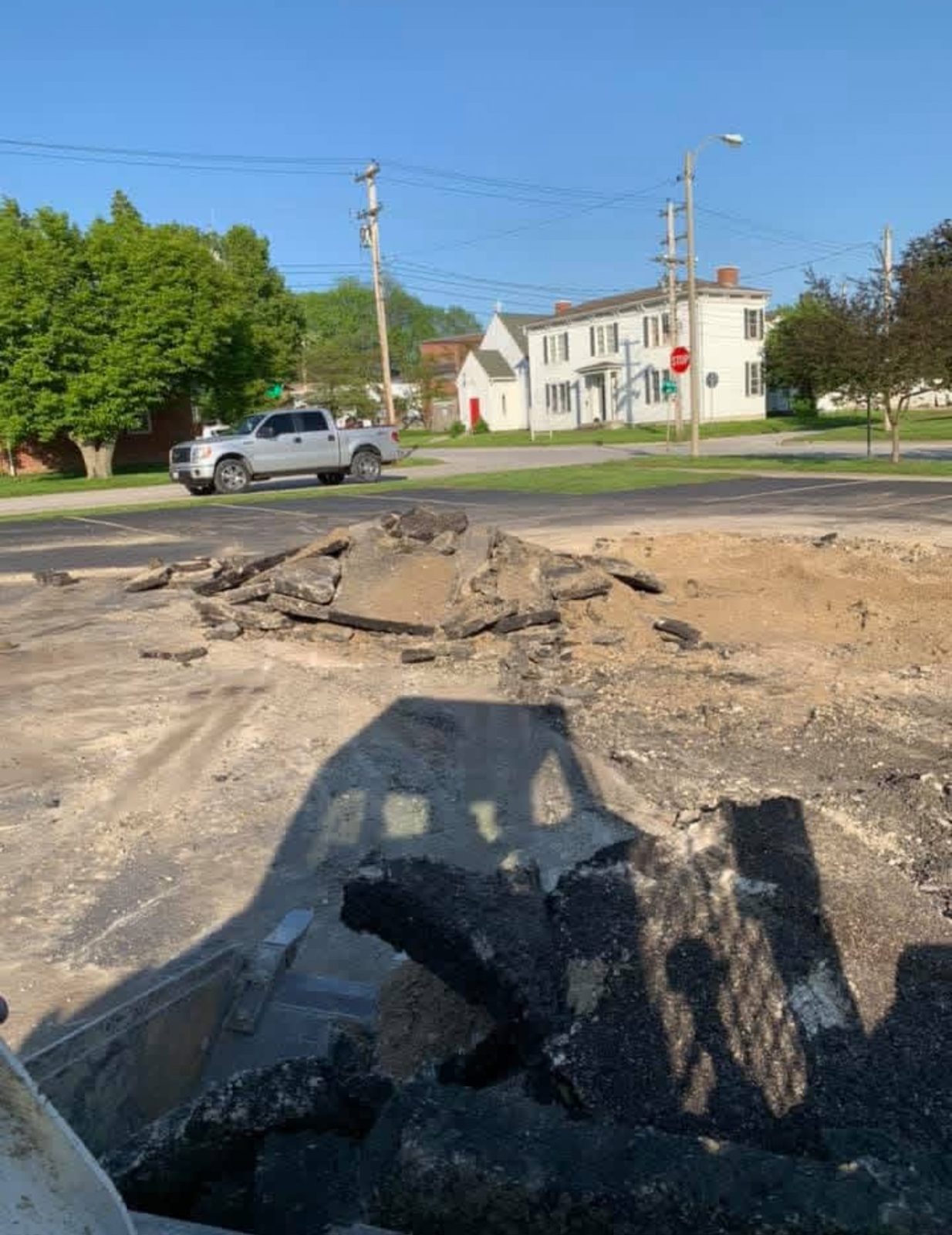
Repair failed asphalt removal by United Way Asphalt
Asphalt repairRepair failed asphalt removal
Repair failed asphalt removal by United Way Asphalt
Asphalt repairRepair failed asphalt removal
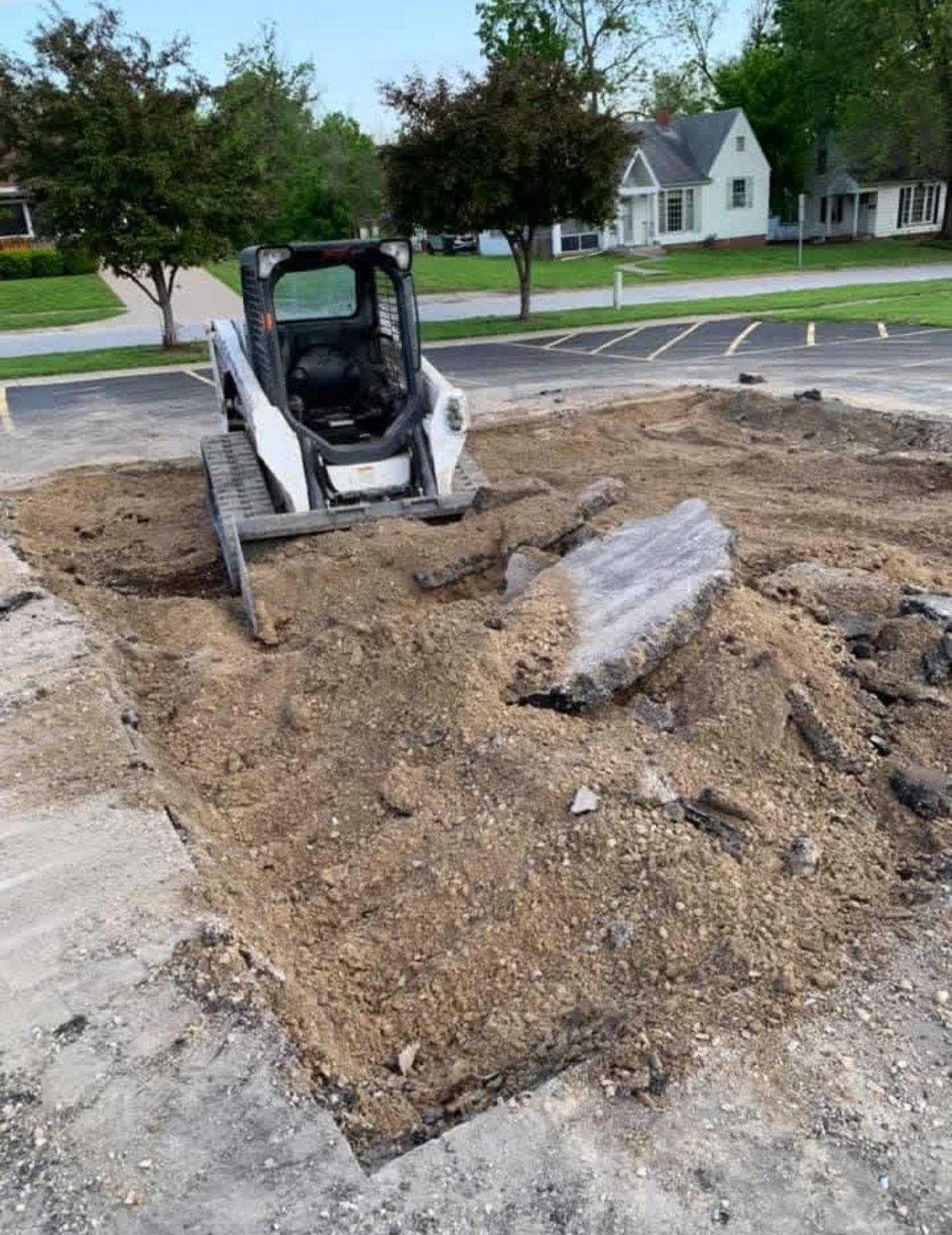
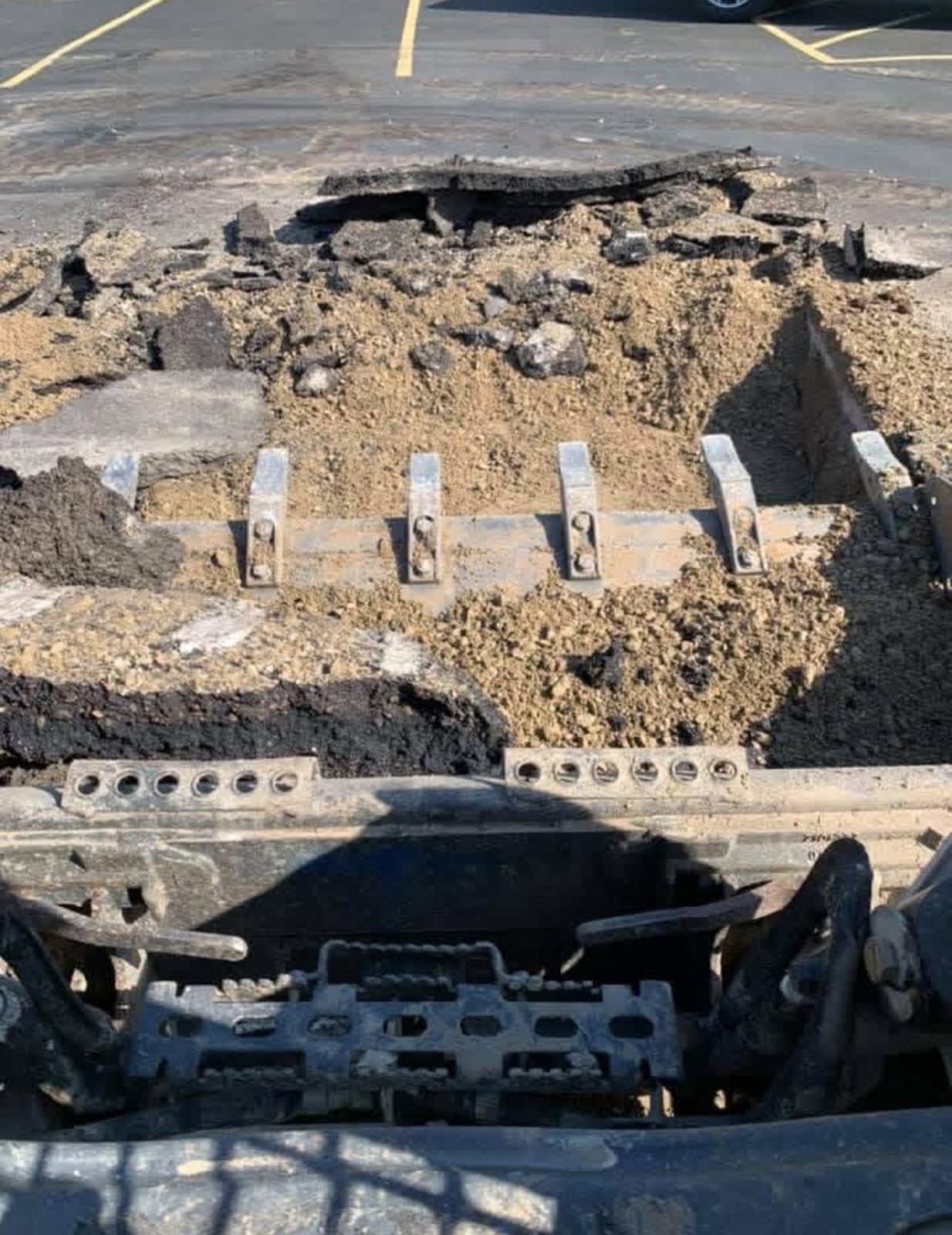
Repair skid steer removing asphalt by United Way Asphalt
Asphalt repairRepair skid steer removing asphalt

Related services

The work behind each option.

Crew finishing a freshly paved asphalt surface with a rake

Asphalt Paving

New asphalt surfaces and full replacement paving for residential driveways and commercial parking lots, built on properly graded and compacted base.

Asphalt Paving details
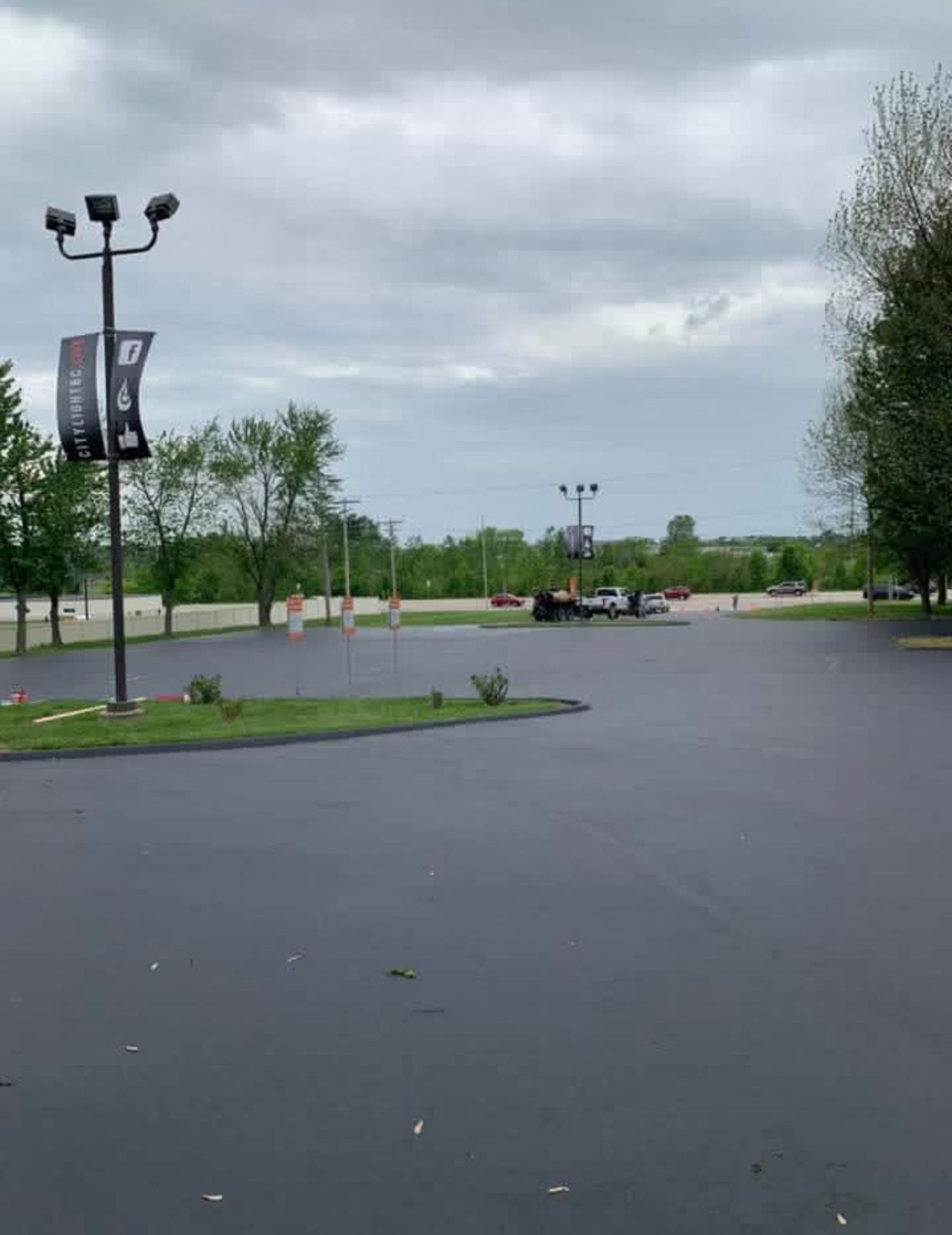
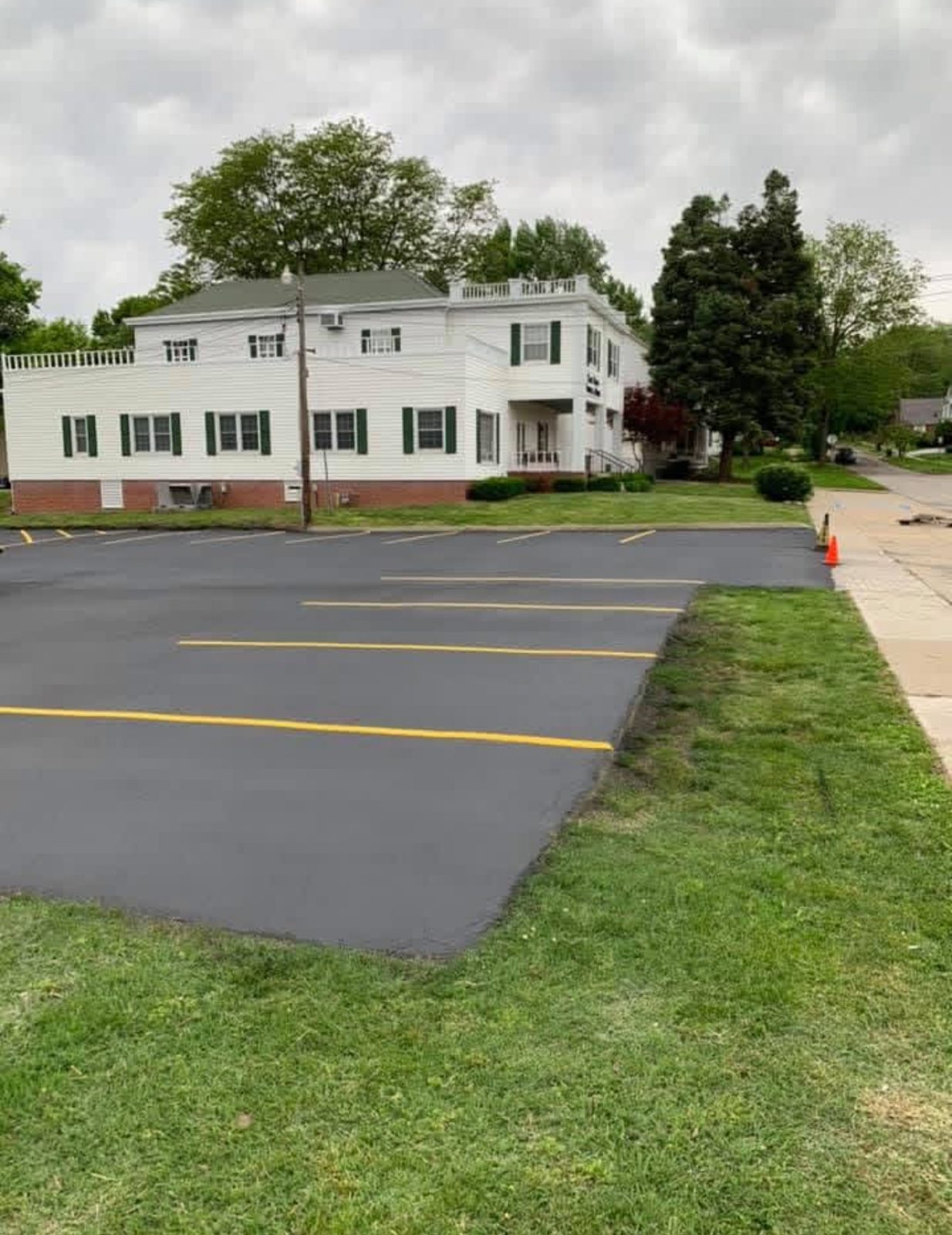
Freshly sealcoated commercial parking lot with a deep black finish

Sealcoating

A protective surface coating that shields asphalt from sun, water, and traffic wear while restoring a clean, uniform black finish.

Sealcoating details
Commercial property pavement undergoing repair and crack maintenance

Asphalt Repair & Crack Filling

Targeted repair of potholes, failing patches, edge breakup, and cracks so water stays out of the base and damage stops spreading.

Asphalt Repair & Crack Filling details
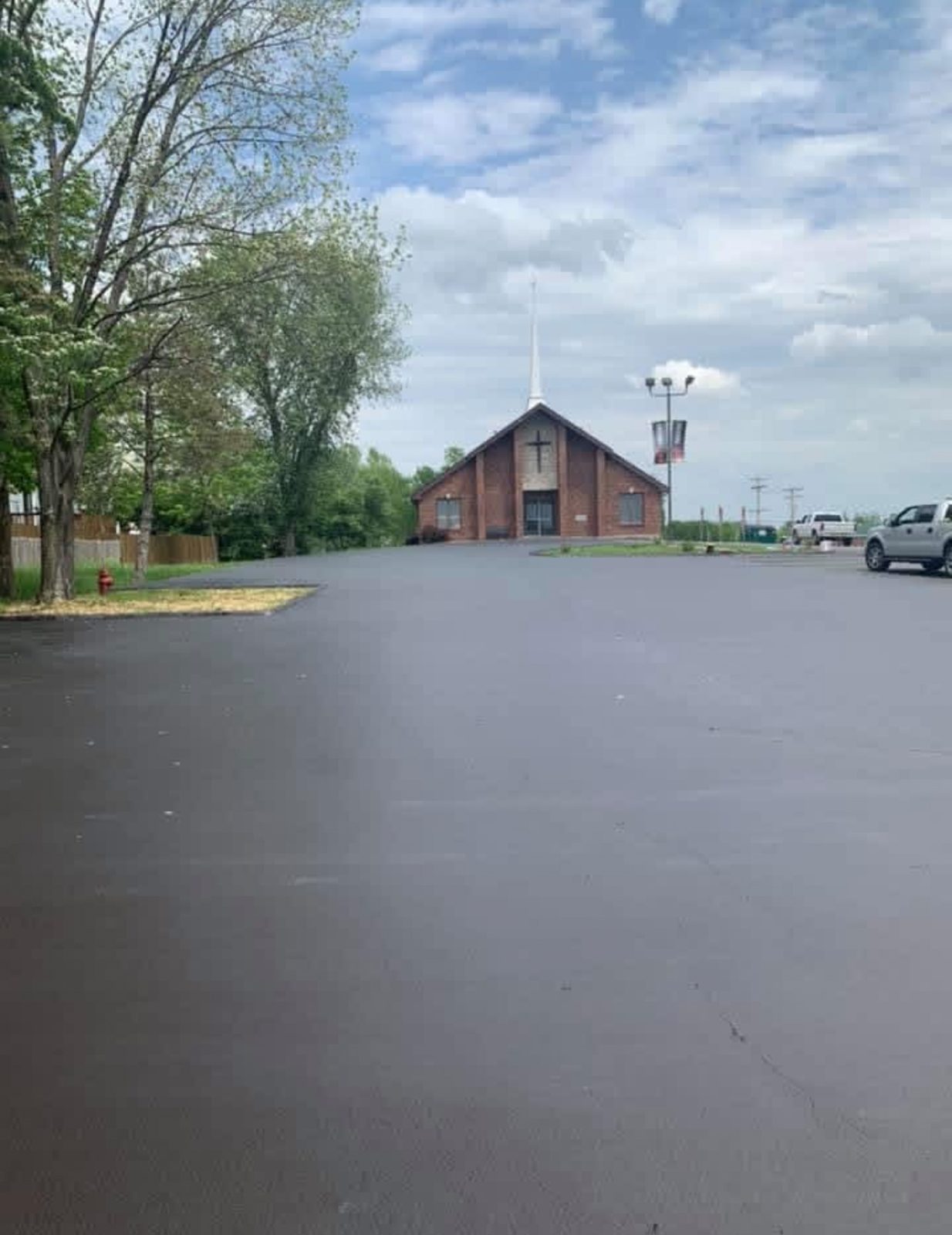
Church parking lot with fresh yellow stall striping

Parking Lot Striping

New layouts and restriping for stalls, arrows, accessible spaces, fire lanes, and loading zones, applied to an approved layout.

Parking Lot Striping details
Paving equipment working on a prepared rural site

Grading & Site Preparation

Dirt work, excavation, rough and final grading, subgrade correction, and base preparation so the pavement above it has something solid to sit on.

Grading & Site Preparation details

Sealcoat, resurface, replace

Choosing between the three.

If you need something specific, call or text us and we can talk it through.

Text us your question
How do I know if sealcoating is enough?

Sealcoating is enough when the pavement is still structurally sound. If the surface is solid, drains properly, and the cracking is limited, a coating protects it. If it is crumbling, sinking, or potholing, coating it only changes the color.

What is the difference between resurfacing and replacement?

Resurfacing puts a new asphalt layer over the existing pavement after repairs. Replacement removes the old asphalt and fixes the base and grade before new pavement goes down. Resurfacing renews the surface, replacement fixes what is under it.

Can you resurface a lot with potholes?

Potholes usually mean water is reaching the base. Those areas have to be cut out and repaired before any overlay, otherwise the same failures come back through the new surface within a season or two.

Which option is cheapest?

Sealcoating is the least expensive, resurfacing sits in the middle, and replacement is the most expensive. The cheapest option is only a saving if it is the right one, so we look at the pavement before recommending anything.

Will you tell me if I do not need the bigger job?

Yes. If a coating protects a driveway for several more years, that is what we will quote. Call or text (573) 719-6650 and we will look at it and tell you what it actually needs.

Not sure which one you need?

We will look at the pavement and tell you which of the three it actually calls for, with a free written estimate.